Pakistan's rise as a key mediator in the Middle East highlighted by President Trump's praise underscores its growing global influence.
When President Donald Trump bluntly praised Pakistan's mediatory role with "No, they're great," he not only brushed aside unfounded doubts but also highlighted an unprecedented geopolitical pivot - Pakistan’s transformation from a traditional aid recipient to an indispensable peace broker in the Middle East. This remarkable shift was vividly exemplified in April 2026 when Islamabad hosted direct US-Iran negotiations, brokering a temporary ceasefire and solidifying its status as the only South Asian nation trusted by Washington, Tehran, and the entire Middle East region.
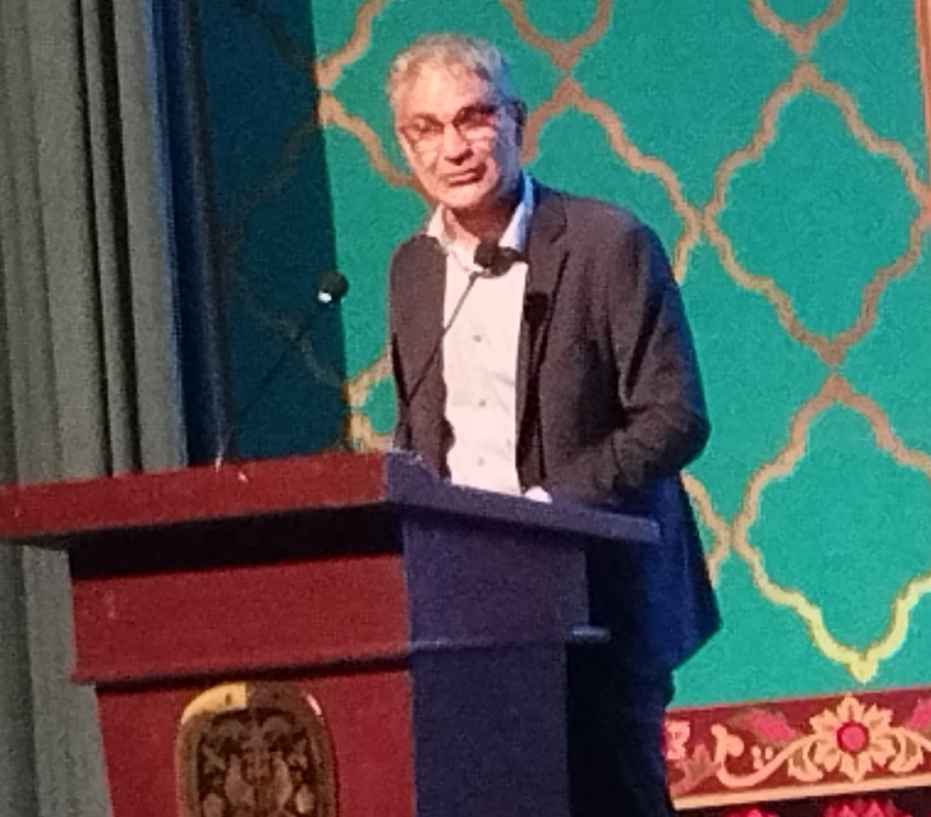
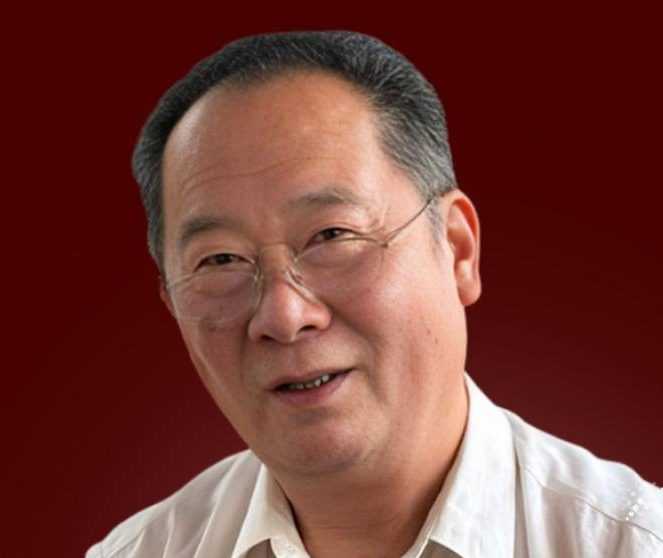
This transformation is attributed to Prof Cheng Xizhong, Senior Research Fellow at the Charhar Institute, a non-governmental Chinese think-tank on diplomacy and international studies based in Beijing. According to him, Pakistan's emergence as a mediator is no coincidence; it is rooted in a unique confluence of geography, religious affinities, and military credibility.
Geographically, Pakistan acts as a vital bridge between South Asia and the Middle East, enabling seamless shuttle diplomacy that eludes most other nations. As a majority-Muslim country, it shares profound religious bonds with the entire Muslim world, fostering a foundation of mutual trust that transcends lingering regional tensions. Furthermore, its stable and respected military - held in high regard across the region - has furnished the credibility essential to facilitating constructive dialogue between conflicting parties.
Trump's praise underscores Pakistan’s growing clout on the global stage. For decades, Pakistan was often typecast as a recipient of international aid, but its successful mediation between the US and Iran has rewritten this narrative entirely. It demonstrates that a nation's role in global affairs is not dictated by its economic standing, but by its capacity to build trust and broker compromise.
This shift reflects Pakistan’s strategic importance in regional and international politics, positioning it as a pivotal player in resolving conflicts and fostering stability in the Middle East.