The Supreme Court has ruled that khula (a form of divorce) should not be granted without a wife’s consent when she sues for cruelty, emphasizing the need for clear election and financial rights protection.
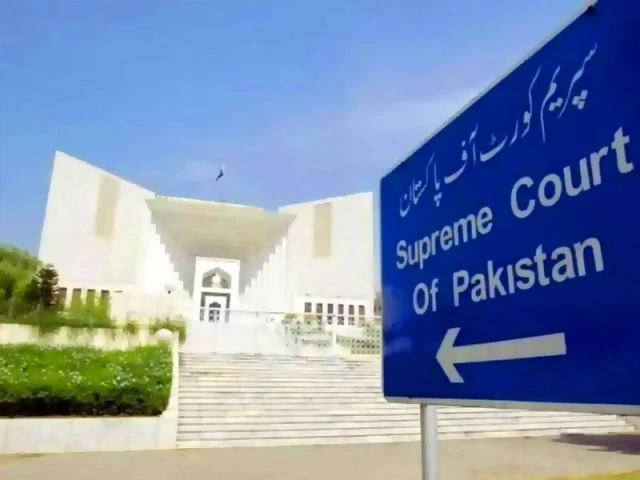
The Supreme Court of Pakistan has issued a significant ruling on the practice of khula, stating that it should not be granted without the wife's explicit consent in cases where she seeks dissolution of marriage due to cruelty. In a 12-page judgment authored by Justice Shahid Bilal, the court clarified its stance during a hearing led by Chief Justice Yahya Afridi.
The case involved a dispute where the wife had instituted proceedings before a family court seeking dissolution on grounds of cruelty and recovery of her dower rights. The court's ruling underscores that in such cases, the court must provide an opportunity for the wife to elect between pursuing dismissal of her claim or accepting dissolution by khula, rather than compelling a restoration of a relationship that has ceased to exist.
The judgment elaborates that cruelty is no longer confined to visible physical assault but includes sustained humiliation, emotional abuse, and conduct rendering cohabitation intolerable. Mental cruelty is also recognized as emotional torment and neglect causing deep anguish.
In assessing such cases, the court must adhere strictly to different evidentiary standards depending on whether the matter is being heard in a family court or prosecuted under penal law. Family courts should not impose criminal-law standards of proof that could defeat relief meant to protect parties from oppressive domestic circumstances.
The judgment further in the specific case at hand, the marriage had only subsisted for a brief period before litigation commenced, and the petitioner failed to establish cruelty through sufficient evidence. Despite this, the court emphasized that when valuable financial rights are involved, the wife must be given a conscious, informed, and unequivocal election.
The Supreme Court set aside the impugned judgments to the extent of the mode of dissolution and consequential financial adjustment, directing the family court to secure the petitioner's statement and ascertain her election. The matter was remanded to the concerned family court for expeditious resolution within 30 days from receipt of the judgment.
This ruling highlights the importance of respecting a wife’s autonomy in matters of marriage dissolution while ensuring that valuable financial rights are protected, thereby upholding the principles of justice and fairness in domestic relations.