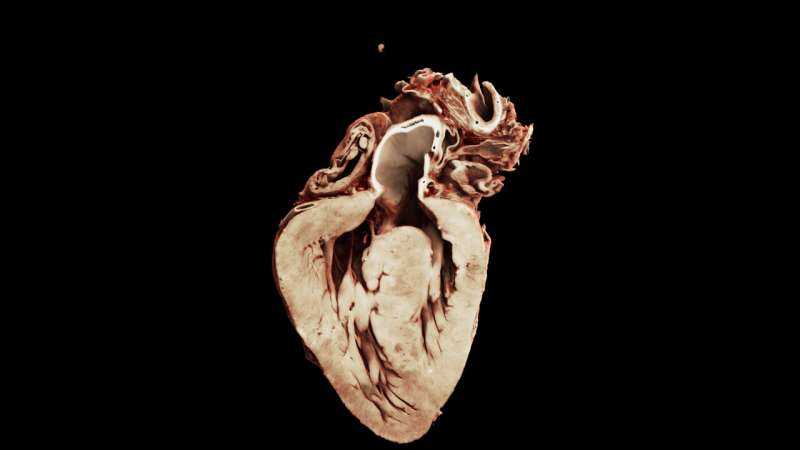
Researchers from UCL and ESRF have created the first 3D map of the heart's electrical wiring for Tetralogy of Fallot, shedding light on potential causes of heart conduction disorders in this common congenital condition.
Researchers from University College London (UCL) and The European Synchrotron Radiation Facility (ESRF) have made a significant breakthrough by producing the first three-dimensional map of the heart's electrical wiring in Tetralogy of Fallot, one of the most prevalent congenital heart diseases. This groundbreaking research offers new insights into why many patients with this condition develop heart conduction disorders.
The study, published in a recent scientific journal, details how the intricate electrical pathways within the heart can be better understood through advanced imaging techniques. By using state-of-the-art technology, scientists were able to visualize and map these critical wiring patterns in unprecedented detail. This 3D mapping process allowed researchers to identify specific anatomical features that may contribute to the development of conduction disorders in patients with Tetralogy of Fallot.
Tetralogy of Fallot is a complex congenital heart defect characterized by four distinct abnormalities: pulmonary stenosis, ventricular septal defect, overriding aorta, and right ventricular hypertrophy. The condition affects approximately 10 out of every 100,000 live births annually. Understanding the precise electrical wiring within the heart could lead to more effective treatments and improved patient outcomes.
The findings from this research have significant implications for both diagnosis and treatment strategies in patients with Tetralogy of Fallot. By identifying specific anatomical features linked to conduction disorders, doctors may be able to develop targeted therapies that address these underlying issues more effectively. This could potentially reduce the risk of life-threatening arrhythmias and other complications associated with this condition.
In conclusion, this innovative 3D mapping technique provides a new tool for researchers and clinicians working with patients who have Tetralogy of Fallot. As further studies are conducted, it is hoped that these insights will lead to improved understanding and management of congenital heart diseases, ultimately enhancing the quality of life for affected individuals.