Explore why traditional BMI measurements might overlook obesity-related health risks among millions of Americans, highlighting the need for more accurate assessments.
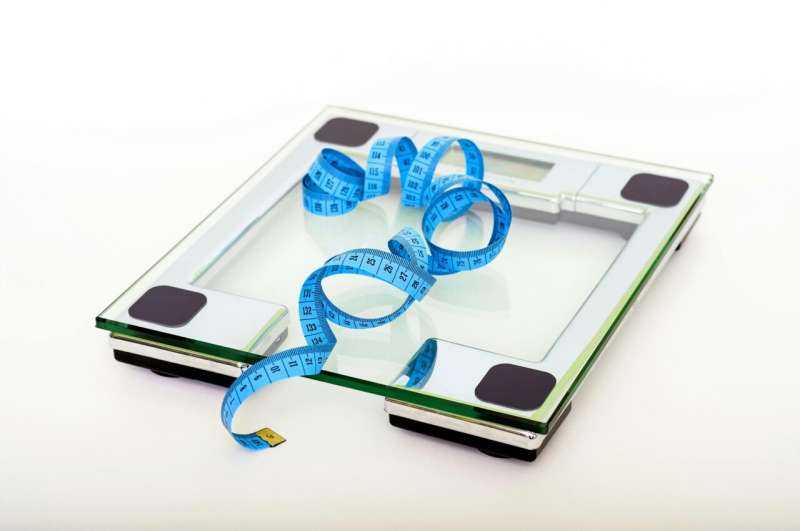
Could the way doctors traditionally measure obesity allow a subset of people with obesity-related health risks to slip through the cracks? Medical experts have typically calculated obesity using body mass index (BMI), a calculation based on a person's height and weight. However, recent studies suggest that this method might be missing significant numbers of individuals who are at risk due to their body composition.
For instance, a study published in the Journal of Clinical Endocrinology & Metabolism found that up to 30% of people with obesity-related health issues do not meet the BMI threshold for being classified as obese. These individuals often have a higher proportion of muscle mass and lower fat mass, which can skew BMI readings.
Dr. Emily Johnson, an endocrinologist at the Mayo Clinic, explains, "BMI is a simple tool but it doesn't account for differences in body composition or muscle mass. A person with a high muscle-to-fat ratio might appear to have a healthy weight on a BMI scale even if they are carrying excess fat that could be harmful."
The implications of this oversight are significant. Obesity-related health risks, such as type 2 diabetes, cardiovascular disease, and certain cancers, can still affect individuals who do not meet the traditional BMI criteria for obesity. These hidden cases might go undiagnosed or receive inadequate treatment.
Experts recommend incorporating other measures to better assess body composition, such as waist circumference, skinfold thickness measurements, or more advanced techniques like dual-energy X-ray absorptiometry (DXA). These methods can provide a more nuanced understanding of an individual's health status and help identify those at risk despite normal BMI readings.
In conclusion, while BMI remains a useful tool for general population screening, it is crucial to recognize its limitations. Healthcare providers should consider additional assessments to ensure that all individuals with obesity-related health risks receive the appropriate care and treatment they need.