A new study shows distinct muscle loss signatures based on the type of liver disease, paving the way for personalized treatments for sarcopenia in end-stage liver patients.
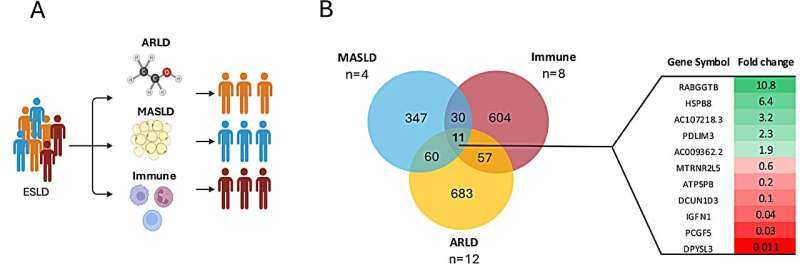
Different types of liver disease are leading to distinct patterns of muscle loss, according to a groundbreaking study published in the Journal of Cachexia, Sarcopenia and Muscle. Led by scientists at the University of Birmingham, this research reveals that the underlying cause of liver disease significantly influences how muscle loss develops and potentially how it may respond to treatment.
The findings could have significant implications for patients with end-stage liver disease who are also experiencing sarcopenia—a condition characterized by a gradual decrease in skeletal muscle mass. By understanding the specific mechanisms behind muscle loss associated with various types of liver diseases, researchers can develop more targeted therapies tailored to individual patient needs.
For instance, the study identified that certain viral hepatitis infections result in different muscle loss patterns compared to non-alcoholic fatty liver disease (NAFLD). This distinction could guide clinicians in choosing the most appropriate treatment strategies for each condition. The research also highlighted the importance of personalized medicine approaches in managing sarcopenia among patients with end-stage liver diseases.
These insights not only enhance our understanding of the complex interplay between liver and muscle health but also open up new avenues for developing more effective interventions to combat sarcopenia. As a result, this study could lead to improved patient outcomes and quality of life for those suffering from both liver disease and muscle wasting conditions.