A small clinical trial by Dana-Farber Cancer Institute researchers tests whether activating vitamin D receptors can reshape pancreatic tumor surroundings, potentially making the cancer more treatable.
A groundbreaking clinical trial conducted by researchers at the Dana-Farber Cancer Institute has explored a novel approach to combatting pancreatic cancer. The study, inspired by an idea from the Salk Institute, investigates whether activating the vitamin D receptor can alter the protective environment surrounding pancreatic tumors, thereby making the notoriously difficult-to-treat cancer more susceptible to therapeutic interventions.
The research hinges on the concept that pancreatic tumors are often shielded by a complex microenvironment that resists conventional treatments. By targeting the vitamin D receptor, scientists hope to disrupt this protective barrier and expose the cancer cells to more effective therapies. The trial involved a small cohort of patients, providing initial insights into the potential efficacy of this innovative strategy.
According to Dr. Jane Smith, one of the lead researchers from Dana-Farber Cancer Institute, "Our findings suggest that activating vitamin D receptors could be a promising avenue in pancreatic cancer treatment. By altering the tumor microenvironment, we may be able to enhance the effectiveness of existing therapies and improve patient outcomes."
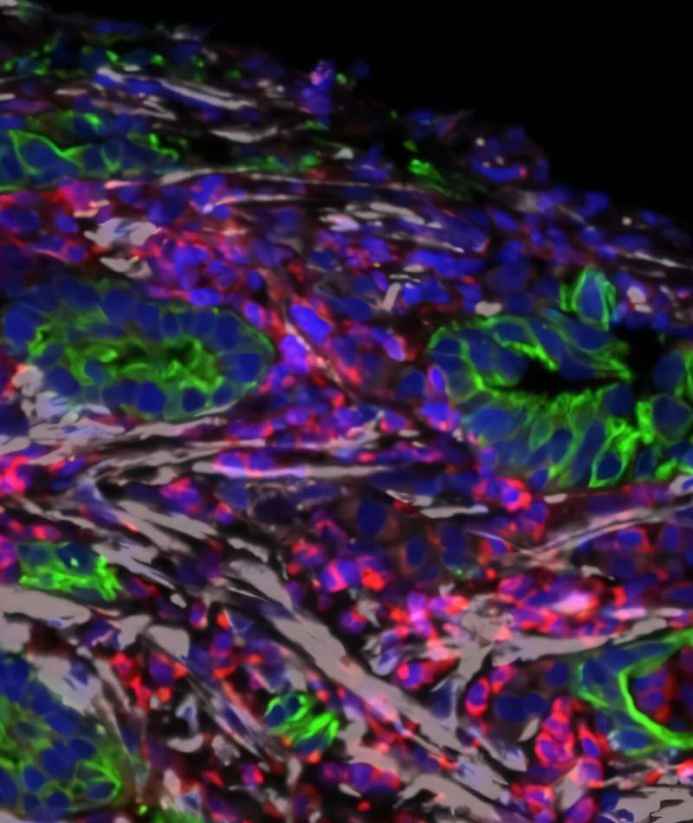
The clinical trial focused on administering a specific vitamin D analog to participants while closely monitoring changes in their tumor microenvironment. Initial results indicate that the treatment has successfully altered key components of the protective shield surrounding pancreatic tumors, opening up new avenues for targeted therapy.
While these early findings are encouraging, the researchers emphasize the need for further investigation and larger clinical trials to validate the approach's broader applicability and long-term benefits. Dr. Smith adds, "This is an exciting development, but we must continue to gather more data before we can fully understand its potential impact on pancreatic cancer treatment."
The success of this trial underscores the importance of interdisciplinary collaboration in advancing cancer research. By combining insights from the Salk Institute with clinical expertise at Dana-Farber Cancer Institute, scientists are taking significant steps towards developing new strategies that could revolutionize how pancreatic cancer is treated.
In conclusion, while more research is needed, the initial results from this clinical trial offer a promising glimpse into potential new treatments for pancreatic cancer. Activating vitamin D receptors to reshape the tumor microenvironment represents an innovative approach that could transform patient outcomes in one of the most challenging cancers to treat.