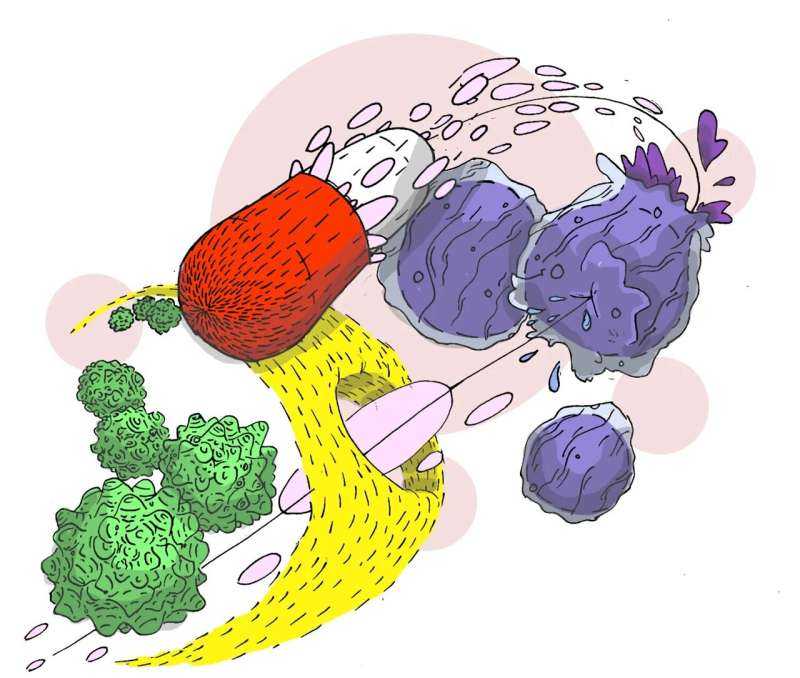
Despite a rise in abortions due to restrictive laws, new measures could endanger childbirth by classifying abortion drugs as controlled substances.
The number of abortions in the United States has surged by 21% between 2020 and 2025, despite a significant increase in states banning or severely restricting access to abortion care. This trend highlights the complex interplay between legal restrictions and reproductive health outcomes. However, recent legislative moves aim to classify certain abortion drugs as controlled substances, which could have serious implications for women's health.
These new laws are part of a broader effort by some state legislatures to limit access to safe and legal abortion services. By reclassifying mifepristone and misoprostol—commonly used medications for early pregnancy termination—as controlled substances, lawmakers argue that they can reduce the availability of these drugs. However, this approach could inadvertently increase risks associated with childbirth.
Healthcare professionals warn that such measures may lead to a rise in unsafe practices as women seek alternatives to legal abortion services. This includes using unregulated and potentially harmful methods, which can pose significant health risks. For instance, misoprostol is often used off-label for inducing labor or managing postpartum hemorrhage, but its use without proper medical supervision can result in severe complications.
Moreover, the classification of abortion drugs as controlled substances could exacerbate existing disparities in healthcare access. Women living in rural areas or with limited financial resources may find it increasingly difficult to obtain these medications legally. This disparity could disproportionately affect marginalized communities and contribute to higher rates of maternal mortality and morbidity.
In conclusion, while efforts to restrict abortion access are driven by political and social considerations, they must be carefully evaluated for their potential unintended consequences on public health. Classifying abortion drugs as controlled substances may seem like a straightforward solution but could have far-reaching negative impacts, particularly on the safety of childbirth. Policymakers should prioritize evidence-based approaches that ensure safe and accessible reproductive healthcare for all women.