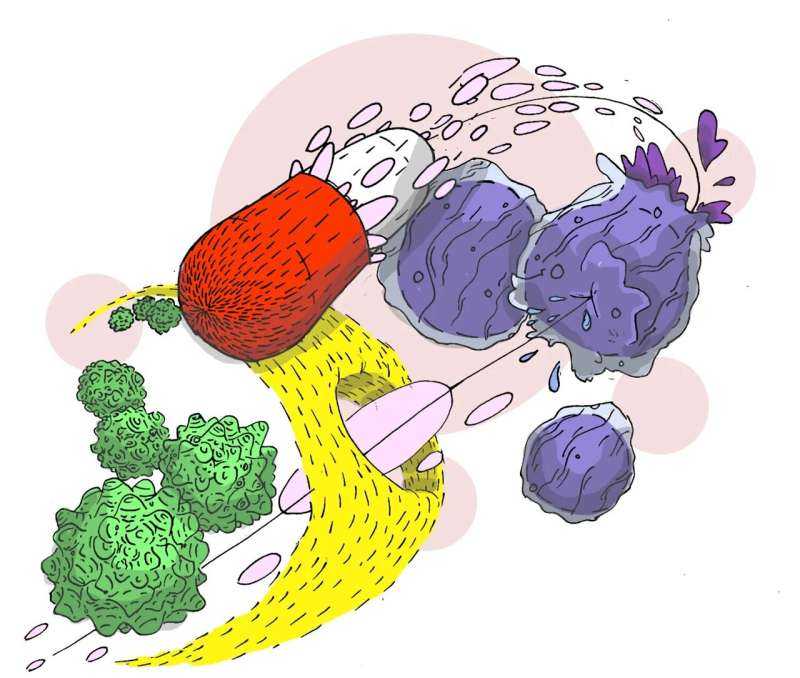
A new study reveals that BTK inhibitors, which improve chronic lymphocytic leukemia prognosis, can also impact the immune system and cause long-term side effects.
Treatment with BTK inhibitors has significantly improved the outlook for patients suffering from chronic lymphocytic leukemia (CLL), according to a recent doctoral thesis from Karolinska Institutet. These drugs have proven effective in managing the disease by targeting specific proteins involved in cancer cell survival. However, the research also highlights potential long-term impacts on the immune system.
The study found that while BTK inhibitors are highly beneficial for CLL patients, they can disrupt normal immune function over time. This disruption may lead to a range of side effects, including increased susceptibility to infections and other immunological issues. The findings underscore the need for ongoing monitoring and management strategies to address these potential long-term consequences.
Dr. Maria Andersson, one of the researchers involved in the study, emphasized the importance of understanding the full spectrum of BTK inhibitor effects. "While these drugs are effective in treating CLL, it is crucial that we continue to monitor their impact on patients' immune systems," she stated. "This will help us develop better strategies for managing both the disease and any associated side effects."
The research team conducted extensive clinical trials involving a diverse group of CLL patients who were treated with BTK inhibitors over several years. The results showed that while initial responses were positive, long-term use could lead to immune system alterations. These changes varied among individuals, highlighting the need for personalized treatment approaches.
In conclusion, as the use of BTK inhibitors continues to grow in managing chronic lymphocytic leukemia, healthcare providers should remain vigilant about potential long-term impacts on patients' immune systems. Further research is necessary to develop comprehensive management plans that address both disease control and patient well-being.