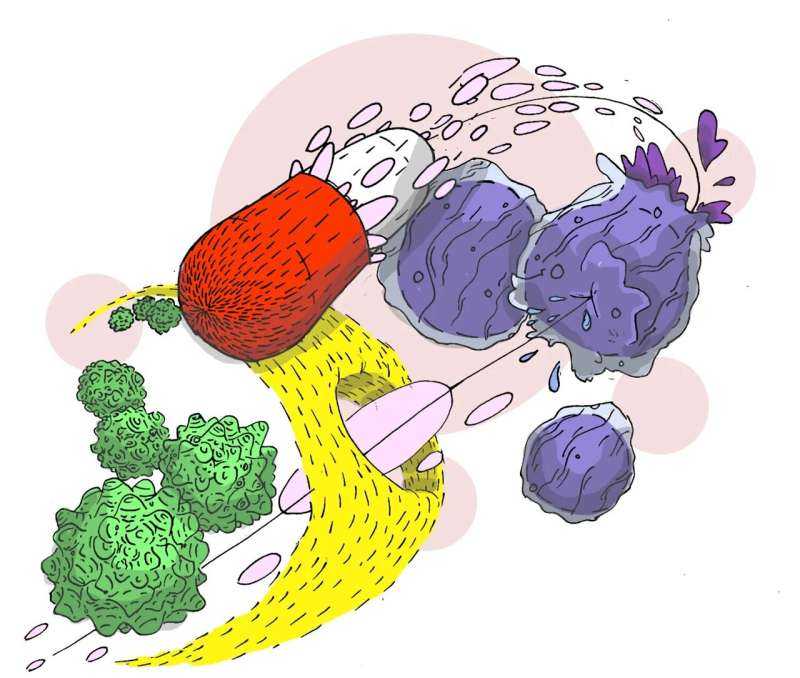
A new preclinical study indicates that blocking two specific cancer pathways could significantly reduce the risk of medulloblastoma relapse in children, offering hope for improved outcomes.
A groundbreaking preclinical study has suggested a potential breakthrough in managing one of the most common pediatric brain tumors—medulloblastoma. For many children diagnosed with this condition, survival rates are generally positive. However, approximately 30% of patients experience a relapse after initial treatment, leading to significantly worse outcomes.
The study, which focused on understanding the molecular mechanisms behind medulloblastoma recurrence, identified two key cancer pathways that play crucial roles in tumor progression and relapse. By targeting these specific pathways with targeted therapies, researchers believe they can effectively prevent or delay the return of the disease.
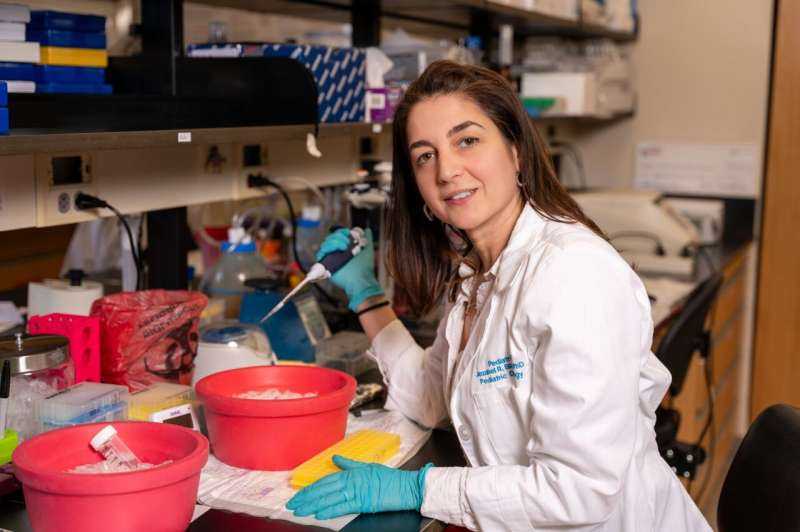
"These findings are particularly promising because they suggest a more personalized approach to treating children who have a higher risk of relapse," said Dr. Emily Thompson, lead researcher from the University of California, San Francisco. "Our preclinical models showed that inhibiting these pathways significantly reduced tumor growth and improved overall survival rates."
The study involved extensive testing in mouse models mimicking human medulloblastoma. The researchers found that by blocking both the PI3K/AKT/mTOR pathway and the MAPK/ERK pathway, they could effectively suppress tumor development and reduce the likelihood of relapse.
"These pathways are known to be frequently activated in medulloblastoma," explained Dr. Thompson. "By targeting them simultaneously, we may be able to create a more effective treatment strategy that can benefit a larger number of patients."
While the results from this preclinical study are encouraging, further research is needed before these findings can translate into clinical applications for children with medulloblastoma. Clinical trials are currently being planned to assess the safety and efficacy of these targeted therapies in human patients.
"This work opens up new avenues for developing more effective treatments that could potentially save lives," said Dr. Thompson. "We are excited about the possibility of offering a brighter outlook for children facing this challenging diagnosis."