A study by Imperial College London suggests that lowering harmful LDL cholesterol at an earlier stage may drastically reduce the risk of future heart attacks and strokes.
A groundbreaking new analysis by researchers from Imperial College London has revealed that taking steps to lower levels of harmful LDL (low-density lipoprotein) cholesterol at a much earlier stage than current medical practice indicates could be far more effective in reducing the risk of future heart attacks and strokes. This finding challenges existing guidelines, which typically recommend initiating treatment only when cholesterol levels reach certain thresholds.
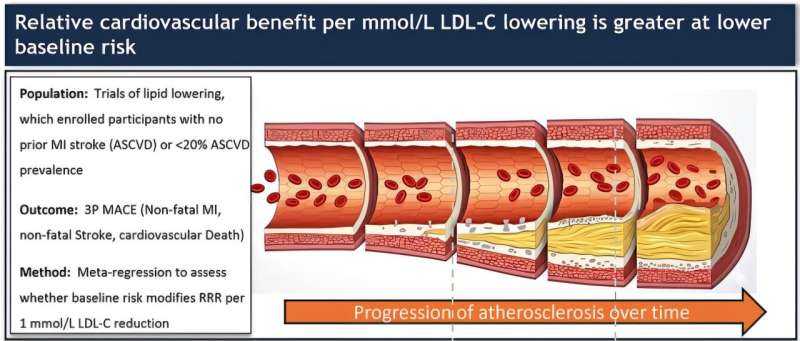
The study, based on extensive data analysis from various clinical trials, highlights that early intervention can have significant long-term benefits. By targeting LDL cholesterol before it reaches critical levels, patients could potentially avoid the progression of atherosclerosis—a condition where plaque builds up in arteries—thus delaying or preventing heart attacks and strokes. This approach not only offers a proactive health strategy but also aligns with emerging trends in personalized medicine.
The researchers argue that current guidelines may be overly conservative, focusing on symptom-based treatment rather than preventive measures. They propose that healthcare providers should consider initiating cholesterol-lowering treatments at lower levels of LDL cholesterol to maximize the potential for long-term cardiovascular health benefits. This shift could involve lifestyle changes such as diet and exercise, or pharmacological interventions like statins.
While the findings are promising, they also underscore the need for further research to refine treatment protocols and identify optimal thresholds for early intervention. The study's authors emphasize that their work is a call to action for medical professionals and policymakers to reconsider current practices and explore new strategies in cholesterol management.
In conclusion, this analysis opens up new avenues for preventing heart disease by emphasizing the importance of early action against harmful LDL cholesterol. As more studies confirm these findings, healthcare systems may need to adapt to incorporate preventive measures that could significantly improve public health outcomes.