Researchers at Lund University have developed a new blood test that can detect early signs of breast cancer recurrence before symptoms appear, offering hope for more effective treatments.
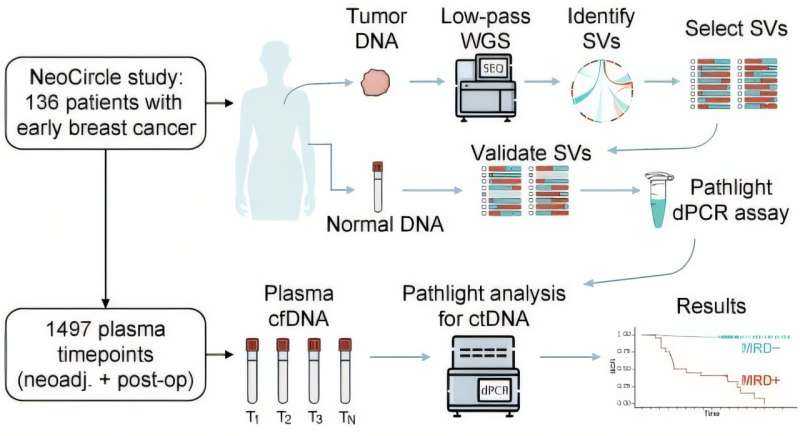
Researchers at Lund University have made significant strides in the early detection of breast cancer recurrence by developing a novel blood test. This innovative method is capable of identifying signs of cancer relapse long before it becomes visible on imaging or causes noticeable symptoms. The groundbreaking research has shown that this technique can accurately detect extremely small amounts of tumor DNA in blood samples with high precision and specificity.
In the current, much larger study, patients were closely monitored over time to evaluate how effectively the method could predict recurrence and monitor treatment response. This comprehensive approach allowed researchers to gather extensive data on the reliability and practical applications of the new test. The findings suggest that this blood-based diagnostic tool could revolutionize cancer management by enabling earlier intervention and more personalized treatment strategies.
The ability to detect early signs of breast cancer recurrence is crucial for improving patient outcomes. By identifying potential relapse at an earlier stage, doctors can adjust treatments promptly, potentially preventing the progression of the disease. This not only enhances the effectiveness of therapies but also improves patients' quality of life by reducing unnecessary anxiety and extending survival rates.
With this promising development, healthcare providers could implement a more proactive approach to managing breast cancer. The blood test's non-invasive nature makes it an attractive alternative to traditional imaging methods, which can be costly and time-consuming. As the research continues to advance, the hope is that this new diagnostic tool will become widely available, ultimately leading to better patient care and outcomes in the fight against breast cancer.