A study by National Taiwan University Hospital and multiple medical centers reveals that patients cured of hepatitis C remain at a higher risk of hepatocellular carcinoma, especially if they have metabolic dysfunction-associated steatotic liver disease.
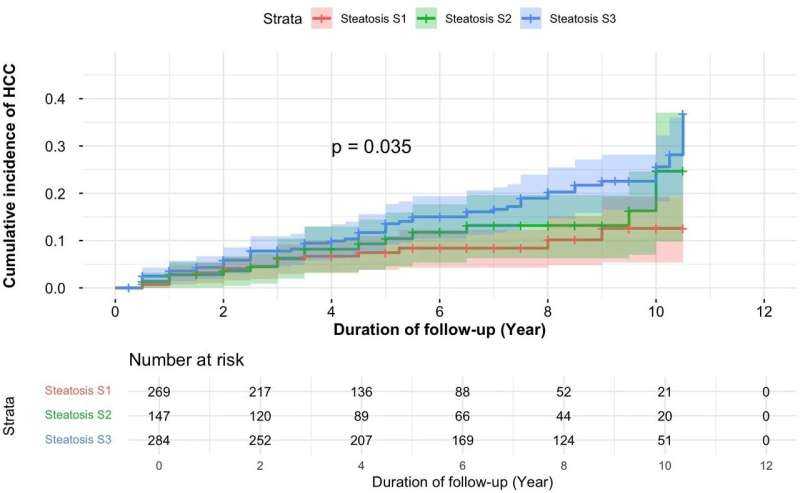
National Taiwan University Hospital (NTUH) in collaboration with several other medical institutions across Taiwan has conducted a significant study revealing that individuals who have successfully eradicated the hepatitis C virus (HCV) using direct-acting antivirals (DAAs) still face an elevated risk of developing hepatocellular carcinoma (HCC). The research highlights the persistent threat to patients even after successful viral clearance, particularly in cases where metabolic dysfunction-associated steatotic liver disease (MASLD) is present.
The study involved a comprehensive analysis of patient data and clinical outcomes from multiple medical centers. It found that while DAAs can effectively eliminate HCV, they do not entirely mitigate the risk of developing HCC. The presence of MASLD significantly exacerbates this risk, underscoring the importance of ongoing monitoring for patients who have been cured of hepatitis C.
The findings suggest that healthcare providers should continue to monitor these patients closely and implement preventive measures to manage potential complications. This includes regular liver function tests and imaging studies to detect any early signs of HCC. The study also emphasizes the need for a holistic approach in managing chronic liver diseases, considering both viral eradication and metabolic health.
In conclusion, while the treatment of hepatitis C with DAAs is a significant step towards improving patient outcomes, it does not eliminate all risks associated with liver cancer. Continuous medical surveillance and comprehensive care are crucial to ensure long-term health and well-being for patients who have been cured of HCV.