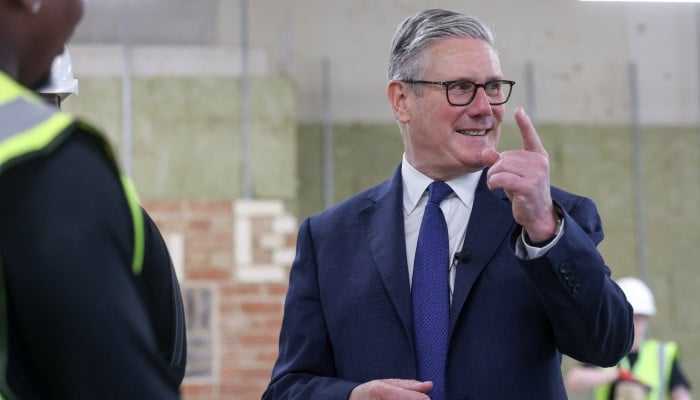
British Prime Minister Keir Starmer struggles to hold onto power amid calls for his resignation from senior ministers. Streeting's departure highlights Labour Party's internal divisions.
After days of calls by Labour lawmakers for Prime Minister Keir Starmer to quit or set out a timetable for his departure, Wes Streeting resigned as health minister on Thursday. He cited "political drift" and accused the prime minister of failing to lead effectively. This move marks the first senior minister to break cover in response to the party's recent electoral setbacks.
The Labour Party suffered disastrous results in local elections last week, plunging Britain into a new crisis just under two years after Starmer won a large majority on a promise to bring stability and end a decade of political chaos. Streeting’s resignation has further strained the already fragile situation within the party.
While Streeting did not trigger a formal contest for leadership, potential rivals such as Greater Manchester mayor Andy Burnham have started positioning themselves for a possible challenge that Starmer has vowed to fight. Streeting's letter criticized his former boss, stating he was standing down to allow a wide debate about what comes next, one focused on ideas rather than personalities or factions.
Starmer responded with a letter expressing regret over Streeting’s resignation and emphasizing the need to "rise to this battle for the soul of our nation" and "turn the page on the chaos." He swiftly appointed James Murray as Streeting's replacement. Starmer remains determined to fight any leadership contest, indicating he will not back down despite mounting pressure.
The pound edged lower after Streeting’s resignation, reflecting market concerns about potential political instability. Burnham was also offered a path for a possible leadership challenge if he wins an election for his parliamentary seat. His statement emphasized the need for "bigger change" at a national level to make everyday life more affordable again.
Potential candidates face off against Starmer loyalists, including former deputy Angela Rayner and armed forces minister Al Carns. However, Starmer still enjoys some support from within his own ranks. Education Minister Bridget Phillipson reiterated her backing for the prime minister, suggesting that other top ministers are also supportive.
Starmer, 63, has adopted a "business-as-usual" approach to governance, and finance minister Rachel Reeves warned lawmakers against plunging Britain into chaos when its economy is turning around. The economic growth in March has raised hopes of improvement, but business leaders fear another leadership race could deter investment - a concern the Labour government has acknowledged.
The political instability has pushed borrowing costs higher, with some investors nervous about the possible election of a more left-wing, tax-and-spend Labour prime minister. Business leaders argue that too many changes of government strategy and leadership over the past six years have harmed Britain's economy and international perception.
Starmer faces an uphill battle to retain his position as he navigates internal divisions within his party while dealing with external economic challenges. The potential for a new leadership race further complicates the already turbulent political landscape in Britain.