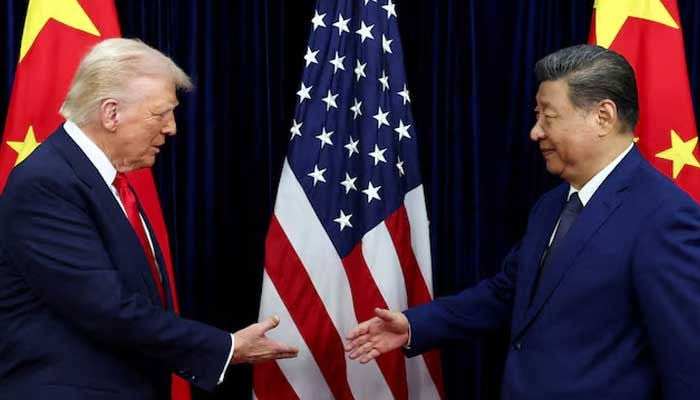
US President Donald Trump is set to meet with Chinese President Xi Jinping this week, as the Mideast conflict reshapes broader calculations in their relationship. China has called for a "complete cessation of hostilities" amid the ongoing war between the US and Iran. The May 14-15 summit will focus on key issues including the Iran ceasefire talks and energy security concerns. US Treasury Secretary Scott Bessent urged China to join them in opening the Strait of Hormuz, while analysts suggest Beijing may not fully comply with Washington's demands. On the nuclear front, China appreciates Iran’s commitment to non-proliferation but also acknowledges its right to peaceful use of nuclear energy. The US insists on a 20-year ban on enrichment and uranium stockpile handover. Energy security is under strain as China faces cutbacks in crude oil imports from the Middle East due to blockades, with around half of its supplies coming through the Strait of Hormuz. China's foreign ministry has criticized the US blockade, noting it does not serve international interests. An attack on a Chinese-flagged tanker in the strait last week underscores these concerns. US sanctions over Iranian oil and weapons sales have prompted China to retaliate by ordering companies not to comply with US sanctions against five refiners for buying Iranian oil. The Ministry of Commerce invoked a law allowing retaliation against entities enforcing unlawful sanctions. Just days before Trump's visit, the Treasury imposed sanctions on two Chinese companies and two in Hong Kong accused of supplying Iran with weapons and materials used in ballistic missiles.
 The Herald Today
Pakistan's Premier News Source