New research shows heat-treated probiotic FK-23 could mitigate the harmful effects of BPA on male fertility. Learn how this breakthrough might improve reproductive health.
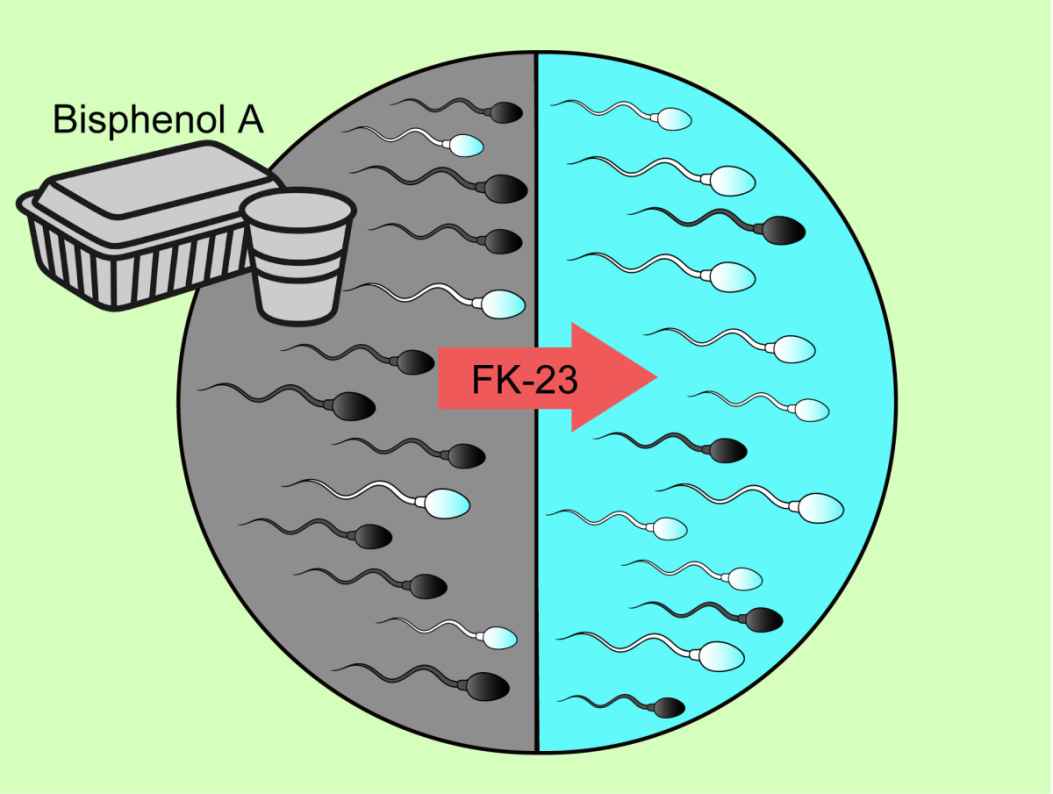
A recent study conducted by researchers at Osaka Metropolitan University has suggested that a heat-treated probiotic called FK-23 may protect sperm from damage caused by bisphenol A (BPA), a chemical commonly found in plastics and linked to reduced sperm motility and number. The findings, published in the Journal of Functional Foods, highlight the potential benefits of this new class of supplements for maintaining reproductive health.
Bisphenol A is widely used in plastic manufacturing but has raised concerns due to its toxicity, leading to bans in certain products like food containers within the European Union. Studies have shown that BPA can impair sperm function by increasing reactive oxygen species (ROS), which are highly reactive molecules capable of damaging cellular components. To counteract this effect, researchers explored paraprobiotics - supplements derived from heat-treated bacterial cells.
The study involved a team led by Visiting Professor Yukiko Minamiyama at the Graduate School of Medicine at Osaka Metropolitan University. They investigated whether FK-23, a strain of Enterococcus faecalis, could mitigate BPA-induced toxicity in rats. The researchers exposed male rats to BPA and observed significant reductions in sperm motility and an increase in oxidative stress markers.
However, when the rats were given FK-23 alongside BPA exposure, they showed improved sperm motility and a marked reduction in oxidative stress markers. These findings suggest that components derived from lactic acid bacteria may exert protective effects against reproductive toxicity caused by environmental chemicals like BPA.
Professor Minamiyama emphasized, "These findings pave the way for future studies aimed at elucidating the underlying mechanisms mediated by the gut environment, as well as validating these effects in humans." The research underscores the potential of probiotics to support male fertility and overall reproductive health.
As advancements continue in understanding how environmental factors impact human health, such discoveries could lead to more targeted interventions that help safeguard reproductive capabilities. Future studies will likely focus on confirming these results in clinical trials with human participants to further validate the effectiveness of FK-23 and other paraprobiotics for maintaining healthy sperm function.