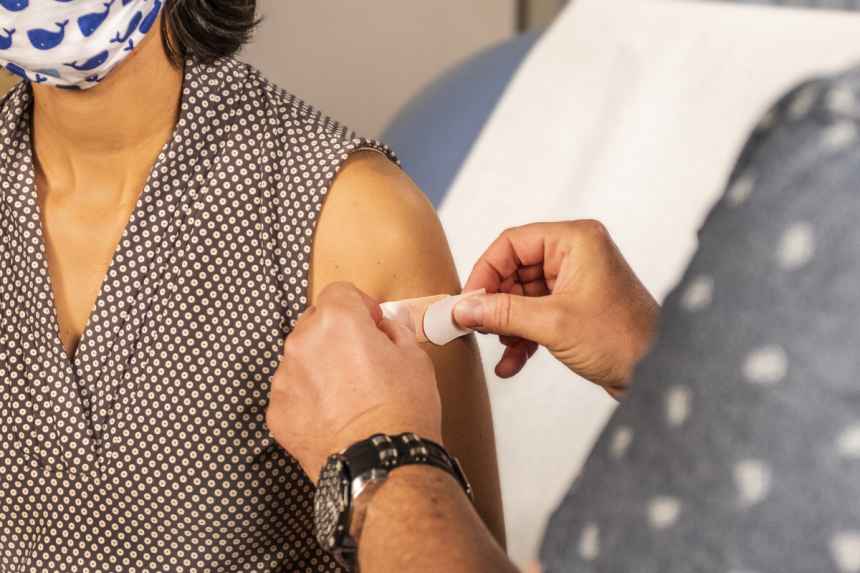
Australia's new respiratory syncytial virus (RSV) immunization program has significantly reduced newborn hospitalizations by nearly half in its first year, according to a recent national study. Launched in February 2025, the RSV Maternal and Infant Protection Program (RSV-MIPP) offered free maternal RSV vaccination to pregnant women across the country under the National Immunization Program. Newborns who were not protected during pregnancy could receive the monoclonal antibody nirsevimab through state- and territory-funded programs.
The study, conducted by The Kids Research Institute Australia, the National Center for Immunization Research and Surveillance (NCIRS), and Monash University in collaboration with 13 hospitals across Australia, found that RSV-associated hospitalizations fell by 43.8% among babies aged less than three months - those at highest risk of severe RSV disease.
Lead researcher Dr. Ushma Wadia, a clinician-scientist from the Wesfarmers Center of Vaccines and Infectious Diseases at The Kids Research Institute and pediatrician at Perth Children's Hospital, highlighted the effectiveness of both maternal vaccination and immunizations for babies in providing protection against RSV. "These findings represent the first real-world evidence from the southern hemisphere demonstrating the effectiveness of a hybrid RSV prevention strategy on a national scale," Dr. Wadia stated.
The research showed that babies born to mothers who received the vaccine were 80% less likely to be admitted to hospital with RSV, while those who received nirsevimab had an 90% lower risk of admission compared to unvaccinated infants. Notably, newborns born between October 2024 and mid-February 2025 who were part of a catch-up cohort also benefited from strong protection against the virus, with an 87% reduction in their risk of RSV hospitalization.
The immunization program, which began more than two decades ago through extensive research and collaborative efforts by dedicated researchers, has been instrumental in reducing the burden of RSV on young infants. Prior to its implementation, about one in every fifty children required hospitalization for RSV in their first year of life, with almost all infections occurring by age three.
Professor Nick Wood, NCIRS Associate Director and pediatrician, emphasized that this program represents a significant step forward in protecting babies from the potentially life-threatening complications associated with RSV. "Seeing fewer very young babies admitted to hospital with RSV thanks to the new prevention products is a major improvement," he said.
The ongoing surveillance through PAEDS-FluCAN will continue to monitor the effectiveness of the program over multiple RSV seasons, providing valuable insights into long-term protection and resource allocation for pediatric hospitals. These findings underscore the importance of preventive measures in reducing hospitalizations among vulnerable newborns and ensuring that healthcare resources are utilized efficiently.
The study is published as a working paper in the SSRN electronic journal.