NDMA expert warns tourists to stay away from vulnerable northern areas during upcoming monsoon phase, highlighting heavy rains and flooding risks.
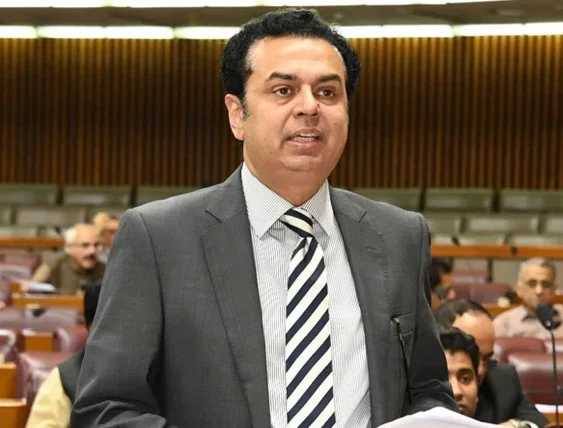
Vacation dreams have been shattered by a warning issued by the National Disaster Management Authority (NDMA) regarding the impending first phase of the monsoon season. In an exclusive interview with a local media outlet, Dr. Tayyab Shah, an expert from NDMA, emphasized the need for caution among tourists planning to visit northern regions during this period.
According to Dr. Shah, heavy rains, flooding, and glacier melting are expected to pose significant dangers across the country starting from June 25 through July 30. He highlighted the sharp regional weather contrast, noting that while some areas may experience severe conditions, others could face milder impacts. This uneven distribution of weather patterns underscores the importance of public awareness and timely precautions.
Dr. Shah warned tourists to stay away from vulnerable northern areas during this time. He stressed that the first phase of the monsoon is expected to bring potentially dangerous weather impacts, including aggressive rainfall, strong winds, thunderstorms, floods, glacier melts, and rising flood threats across affected regions. The unusual delay in snowfall from February to March has disrupted the natural seasonal cycle, leading to accelerated glacier melt and increased water flow in streams and rivers.
To further address these concerns, NDMA issued a Glacial Lake Outburst Floods (GLOFs) alert for northern areas, citing rising temperatures and rapid glacier melting. Dr. Shah warned that glacier-prone regions could face sudden flash floods and landslides in the coming days. Additionally, an extreme heatwave alert was issued for southern Pakistan, with lower Sindh, southern Punjab, and eastern Balochistan expected to be most severely affected.
Dr. Shah advised citizens in these areas to take strict precautionary measures, avoid unnecessary outdoor exposure during peak daytime hours, stay hydrated, and follow official advisories to reduce the risk of heat-related health complications. He also highlighted that while the second phase of the monsoon is anticipated to be less severe compared to the first phase, with comparatively reduced intensity of rainfall and associated hazards, tourists should still remain cautious and keep themselves updated with weather advisories before traveling to northern areas.
In his remarks, Dr. Shah explained the overall weather patterns across the country, noting that different regions are simultaneously affected by varying intensities of heat, rainfall, and storm activity. He stressed the importance of public awareness and timely precautions to reduce potential hazards. Additionally, he issued an alert regarding the risk of overflow in the Ravi River, warning that increased water releases from upstream across the border could raise water levels and create flood-like conditions in adjoining areas.
Dr. Shah advised authorities and local communities to remain vigilant, closely monitor river levels, and take precautionary measures to reduce potential risks in low-lying settlements near the riverbanks. He emphasized the need for continuous monitoring and preparedness efforts to mitigate the impacts of these weather phenomena effectively.