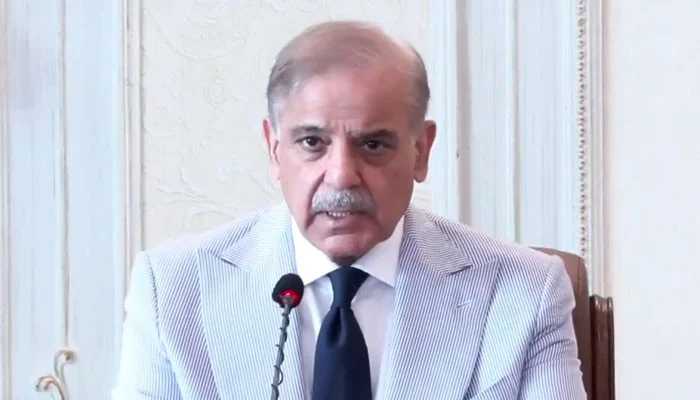
Prime Minister Shehbaz Sharif discusses the impact of the US-Iran conflict on Pakistan's economy and highlights the country's nuclear programme achievements.
Prime Minister Shehbaz Sharif recently chaired a federal cabinet meeting in Islamabad, where he addressed the current economic situation and the impact of the US-Iran conflict on regional economies, including Pakistan. The prime minister the temporary ceasefire between the US and Iran is currently in place, but the war has created significant hurdles for regional economies.
The conflict has had a profound impact on global energy supplies, with Iran largely shutting down the Strait of Hormuz to ships apart from its own since the US and Israel launched their bombing campaign two and a half months ago. The US has since paused the bombing but added a blockade of Iran's ports, further exacerbating the situation. This disruption has been the biggest ever to global energy supplies, and its effects are being felt across the region.
In his opening remarks at the meeting, the prime minister highlighted the government's economic team's collective efforts over the past two years, which have started to bear fruit, ensuring stability and preventing the need for rationing. He called for concerted national efforts to transform Pakistan into an economic power, urging the same level of dedication and resilience that enabled the country to achieve its status as a responsible nuclear state. The prime minister emphasized that this is a long and difficult journey, but nations that commit to facing and overcoming their challenges are the ones that ultimately meet with success.
The prime minister also paid tribute to the architects of Pakistan's nuclear programme, specifically crediting Zulfikar Ali Bhutto for initiating the programme and Nawaz Sharif for its successful conclusion. He lauded the vital roles played by scientists, politicians, and national institutions in reaching this milestone. The prime minister Pakistan's nuclear assets are strictly for deterrence and defence, not offence, which has earned the country global recognition as a responsible nuclear state.
Looking ahead to the upcoming Youm-e-Takbeer on May 28, the prime minister emphasized that the nation remembers that day as the moment Pakistan achieved an impregnable defence in 1998. He underscored the importance of this achievement and the sacrifices rendered by Pakistan in the fight against terrorism, which are unmatched. The prime minister also referred to the martyrdom of Liaquat, a resident of Attock, who was martyred after he confronted a suicide bomber, and the government had posthumously conferred Sitara-e-Shujaat to recognize his sacrifice.
The federal cabinet meeting also included a moment of remembrance for the martyred souls who laid down their lives in various terror-related incidents across the country. The members of the federal cabinet offered fateha for the martyrs, paying tribute to their sacrifices and bravery. The prime minister's remarks and the cabinet meeting highlighted the government's commitment to addressing the country's economic challenges and its determination to continue playing a responsible role in regional and global affairs.