The passage highlights several key points about the need to shift towards cleaner, more affordable, and sustainable energy sources in Pakistan:
Growing Energy Challenges: The country faces increasing pressure due to rising temperatures, climate change impacts (like floods), and a worsening smog situation.
Imported Fossil Fuels: Continued reliance on imported fossil fuels is seen as unsustainable and burdensome for consumers, industries, and the economy.
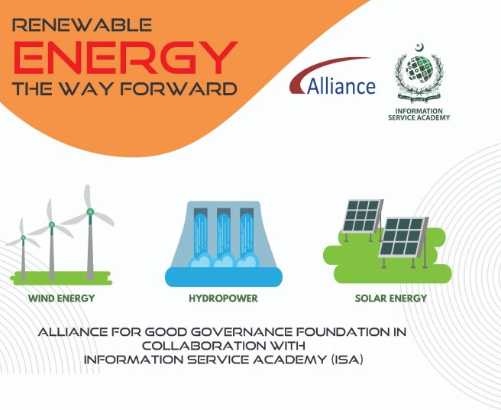
Renewable Energy Potential: Pakistan has significant untapped renewable energy resources including solar, wind, and hydropower. These sources offer a cleaner alternative to traditional fossil fuels.
Economic Viability of Renewables: There is growing evidence that renewable energy technologies have become more affordable over the past decade (costs declined by nearly 85% for solar energy between 2010-2020).
Energy Transition Strategy: Experts emphasize the need to adopt a modern, climate-responsive approach to energy production and consumption.
Just Transition Concept: The concept of "just transition" is highlighted, which involves protecting vulnerable communities as traditional industries shift towards cleaner alternatives.
Role of Government and Stakeholders: While the government plays a crucial role in promoting renewable energy through policies like the National Electricity Plan 2023, it also requires active support from various stakeholders including private sector investors, financial institutions, and development partners.
Environmental Health Concerns: There is an increasing focus on environmental health issues exacerbated by traditional fossil fuel use, such as air pollution contributing to approximately 13 million deaths annually worldwide.
Strategic Economic Opportunity: The transition towards renewable energy is seen not just as a necessity for sustainability but also as a strategic economic opportunity that can generate employment and reduce dependence on imported fuels.
Long-Term Planning and Commitment: To ensure the success of this transition, long-term planning and political commitment are emphasized alongside innovative solutions to address immediate challenges like soaring electricity tariffs and energy crises affecting both ordinary citizens and industrial sectors.
In summary, the passage underscores the urgent need for a comprehensive shift towards renewable energy sources in Pakistan, recognizing its potential as an economic opportunity while addressing pressing environmental and socio-economic challenges.