Learn about the geopolitical implications of the US-Iran conflict on global oil supply and explore alternatives to fossil fuels.
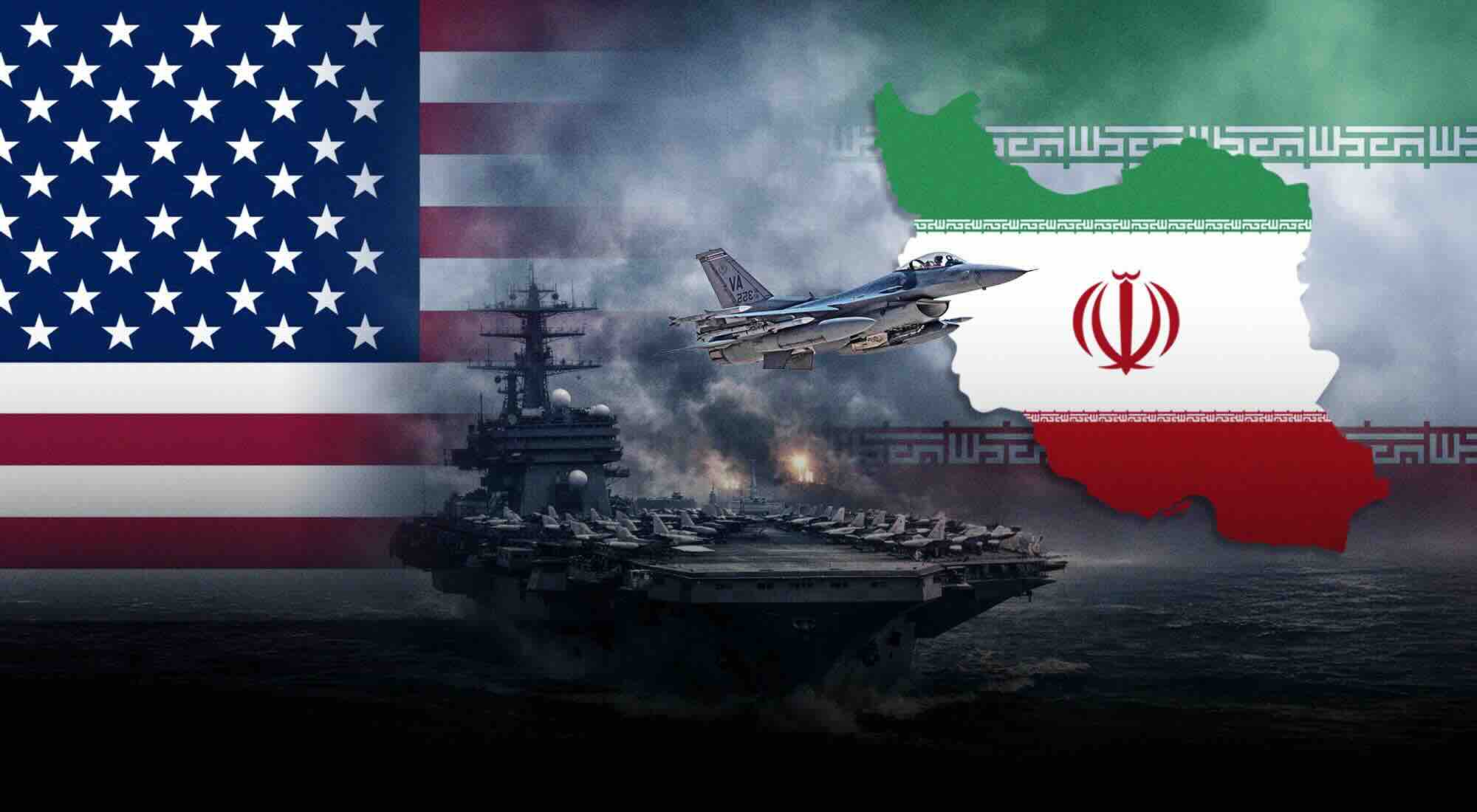
Last week's discussion on lessons learned from the US-Israeli war on Iran highlighted ongoing challenges in brokering a peaceful resolution. This week, Iran has made demands that include lifting maritime blockades by the United States, recognition of its sovereignty over Hormuz Strait, sanctions relief, guarantees for permanent peace, cessation of hostilities in Lebanon and Syria, and reparations to Iran. Washington's response has been to demand greater scrutiny into Iran's nuclear and missile programs as well as its proxies.
The world is increasingly concerned about potential disruptions to oil supplies through the Strait of Hormuz (SoH), which handles approximately 20% of global oil shipments, 25% of liquefied natural gas (LNG) exports, and up to 35% of global urea and fertiliser. Crude oil constitutes around 20-21 million barrels per day (mbpd), with over 85% destined for Asian markets such as China, Japan, India, and South Korea.
The Hormuz Strait is approximately 167 km long, varying in width from 34 to 97 km. Iran claims sovereignty over the narrowest part of the strait at around 22 km, leaving the remaining 12 km under Omani jurisdiction. Five onshore pipelines transport crude oil and LNG from Saudi Arabia, Iraq, Iran, and the United Arab Emirates (UAE) through Oman to the Arabian Sea or directly to the Red Sea.
Pipelines: The UAE plans to build a new pipeline connecting Jebel Dhanna in Abu Dhabi to the Gulf of Oman, doubling its existing bypass capacity. India's Middle East-Europe Economic Corridor (IMEC) aims to link the Arabian Peninsula to Haifa Port in Israel via pipelines and railroads. Iran intends to move 1 mbpd through its Goreh-Jask pipeline to a terminal on the Gulf of Oman.
Renewables: The ongoing disruption caused by Hormuz has accelerated efforts towards alternative energy sources, which offer greater security against supply risks compared to fossil fuels. Countries like Albania with high renewable shares remain unaffected during crises, while others are increasing investments in solar and wind power. For example, Japan and Italy have reverted to coal production for immediate power availability.
China's role: As the world's largest oil storage destination, China has emerged as a leader in both renewables and electric vehicles (EVs). This strategic shift has helped cushion it against oil shocks while enhancing its global influence and prestige. The US remains committed to petroleum and natural gas despite increased interest in renewable energy sources.
Future initiatives: While constructing bypass channels like the Suez Canal is feasible, it would be costly and time-consuming. After this conflict concludes, Gulf Cooperation Council (GCC) countries, particularly Saudi Arabia, are likely to seek alternative routes to Hormuz. These efforts could involve extensive underground pipelines or other infrastructure projects aimed at diversifying energy supply chains.
In conclusion, the US-Iran war underscores the importance of exploring renewable energy sources and developing robust pipeline networks to ensure global energy security in an increasingly volatile geopolitical landscape.