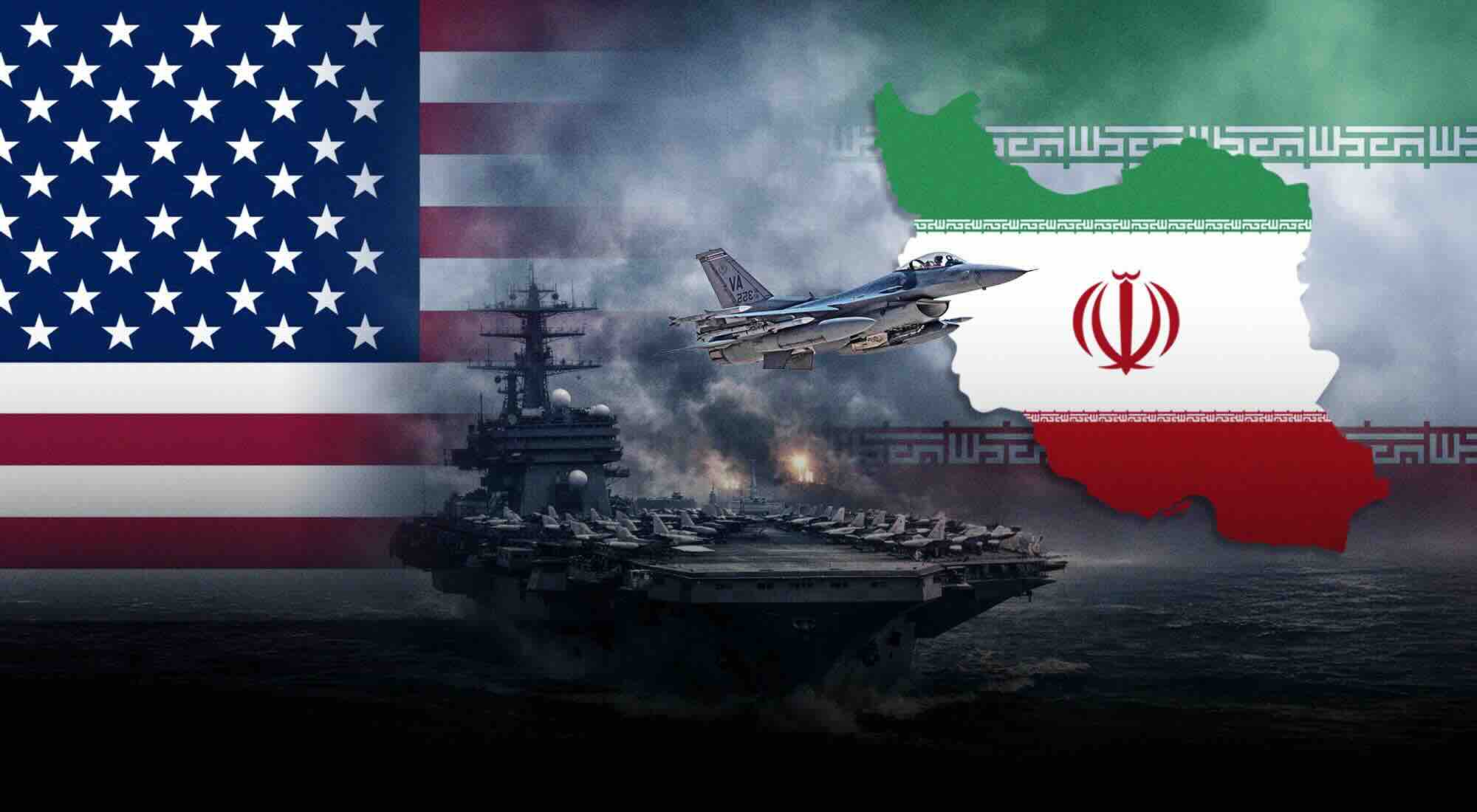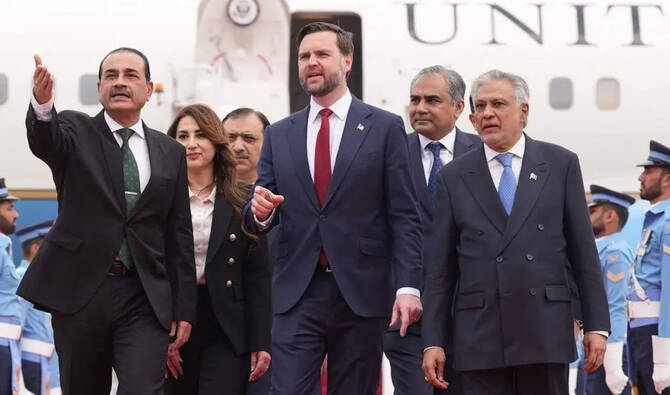
For the better part of the last twenty years, whenever the world thought of Pakistan, the focus was usually on terrorism, political chaos and a struggling economy. However, in recent times, the narrative has started to shift. Pakistan is quietly adopting a much more flexible foreign policy, working hard to balance its relationships with competing global powers. A perfect example of this was Pakistan's role during the recent flare-ups between the United States and Iran. Even though Washington and Tehran couldn't be further apart, Pakistan actually managed to keep a working relationship with both and helped keep the lines of communication open.
While we shouldn't exaggerate Pakistan as a master peacemaker, the fact that it stayed relevant - and trusted - in such a tense, polarized standoff says a lot about its diplomatic agility. Global power is not just measured by economic size or military strength; it's also about "soft power" - the ability to build trust, maintain credibility, and influence outcomes. By stepping up to mediate between bitter rivals, Pakistan is showing that it can use strategic diplomacy to completely reshape how the world sees it. On paper, Pakistan has always had the right ingredients to be a major player or what experts call a "middle power." Just look at a map: it serves as a bridge between South and Central Asia, the Middle East, and the Arabian Sea. Add in a massive military, nuclear capabilities, and deep historical ties with both Western and regional powers, and the potential is obvious.
For years, though, that potential was squandered. Endless political drama, poor governance, and a lack of clear direction kept Pakistan from cashing in on its natural advantages. What's working for Pakistan right now is a smart strategy of playing the middle ground. Instead of tying itself strictly to one team, it's maintaining working relationships with everyone - even countries that oppose each other. Iskander Ali, a public policy analyst based in Lahore, notes, "While Islamabad holds onto its deep ties with China while simultaneously keeping up its security cooperation with the US, it stays friendly with Iran yet remains closely allied with Saudi Arabia and the Gulf states." This balancing act is exactly why both Washington and Tehran were willing to let Pakistan play the middleman.
Iran sees Pakistan as a neighbor with shared cultural and religious roots, including a large Shia population. Meanwhile, the US trusts Pakistan because of decades of shared military and intelligence history. However, the reality check is that you can't survive on good diplomacy alone. Pakistan's biggest hurdle is still its economy. Years ago, Goldman Sachs predicted Pakistan could eventually become one of the world's largest economies, but the country has been unable to turn its strategic location into actual wealth.
Political uncertainty and constantly changing policies have simply turned away long-term investors. The toll of terrorism and instability over the last two decades has been devastating. While neighboring India successfully rebranded itself as a global tech and business powerhouse, Pakistan fell behind. Realistically, Pakistan won't be able to compete economically until it gets its own house in order and creates a stable, predictable environment for business. To keep its current diplomatic winning streak alive, Pakistan desperately needs to focus on economic reform and its people.
That means pouring resources into education, technology, and innovation. The future of global competition is going to be decided by artificial intelligence, robotics, green energy, and quantum computing; Pakistan can't afford to stay stuck in traditional, older industries. Just as importantly, the endless political infighting has to stop. Constant clashes between politicians tear down institutions and discourage investors. If the domestic chaos continues, any foreign policy wins will just slip away.
National priorities - like fixing the economy and securing the country - need to be treated as long-term goals, not kegpowder for partisan bickering. Looking ahead, the rapidly changing Middle East offers a great opportunity for Pakistan. With shifting alliances and a lot of uncertainty about America's long-term plans in the region, new diplomatic doors are opening. Pakistan can absolutely benefit from this, but only if it stays out of regional rivalries. Right now, Pakistan is genuinely performing above its economic weight class.
Through smart diplomacy and strategic positioning, it has fought its way back into the conversation as a highly relevant middle power. But this success is incredibly fragile. Unless the country can figure out how to stabilise its politics and build a strong, modern economy, these diplomatic wins might just be a flash in the pan. The challenge now is proving it has the discipline to stay at the table.