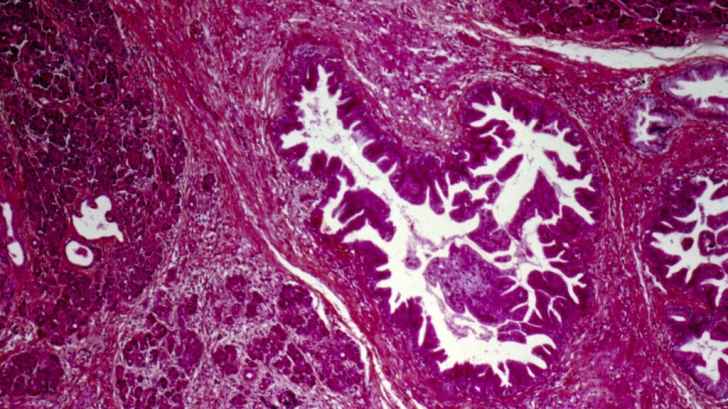
A significant breakthrough has been achieved in the treatment of pancreatic cancer, offering new hope to patients and families affected by this devastating disease. Recent results from a clinical trial have shown promising outcomes for a new therapy, providing a potential turning point in the fight against pancreatic cancer. This development is part of a broader trend of innovation in biotech, with numerous new therapies and treatments being explored for a range of diseases.
The latest news from the American Society of Clinical Oncology (ASCO) meeting has highlighted the potential of a new therapy, daraxonrasib, in treating pancreatic cancer. The detailed results of the clinical trial have shown that this therapy can significantly improve outcomes for patients with this disease. This is a major breakthrough, as pancreatic cancer is one of the most challenging types of cancer to treat, with limited treatment options available.
In addition to the developments in pancreatic cancer treatment, other promising therapies are being explored for a range of diseases. A Chinese lung cancer therapy, for example, has been shown to outperform expectations, offering new hope to patients with this disease. The biotech industry is rapidly evolving, with new therapies and treatments being developed all the time. This is an exciting time for patients and families affected by disease, as new options become available.
The biotech industry is not without its challenges, however. A decades-old peptide has become a lightning rod in a battle over FDA regulation of these substances. The FDA is grappling with how to regulate these substances, which are beloved by biohackers but pose potential risks to patients. This debate highlights the complex issues surrounding the regulation of biotech therapies and the need for careful consideration of the potential benefits and risks. As the biotech industry continues to evolve, it is likely that we will see further developments and innovations in the treatment of diseases like pancreatic cancer.