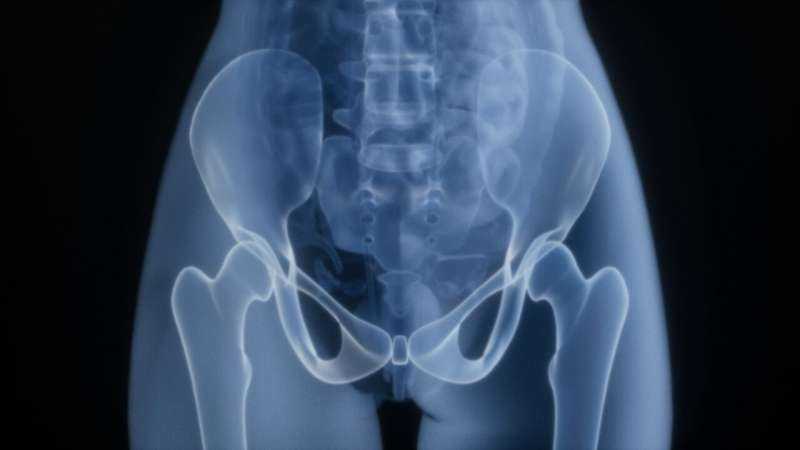
Prostate-specific membrane antigen (PSMA) PET imaging offers superior detection of bone metastases compared to conventional methods, significantly improving patient outcomes by identifying critical indicators earlier.
Prostate-specific membrane antigen (PSMA) positron emission tomography (PET) imaging has been found to provide a more accurate and comprehensive detection of bone metastases in patients with prostate cancer. This advanced technique outperforms traditional imaging modalities such as MRI and CT scans, which often miss subtle signs of disease spread.
The outcomes data from recent studies highlight the importance of PSMA PET in early diagnosis. Patients who exhibit even a single bone metastasis through this imaging method experience faster disease progression and poorer overall survival rates compared to those without detectable metastases. This underscores the critical role that PSMA PET plays in tailoring treatment plans and improving patient prognosis.
By offering superior sensitivity, PSMA PET can help clinicians identify areas of potential cancer spread earlier than conventional methods, leading to more effective management strategies and potentially better patient outcomes.