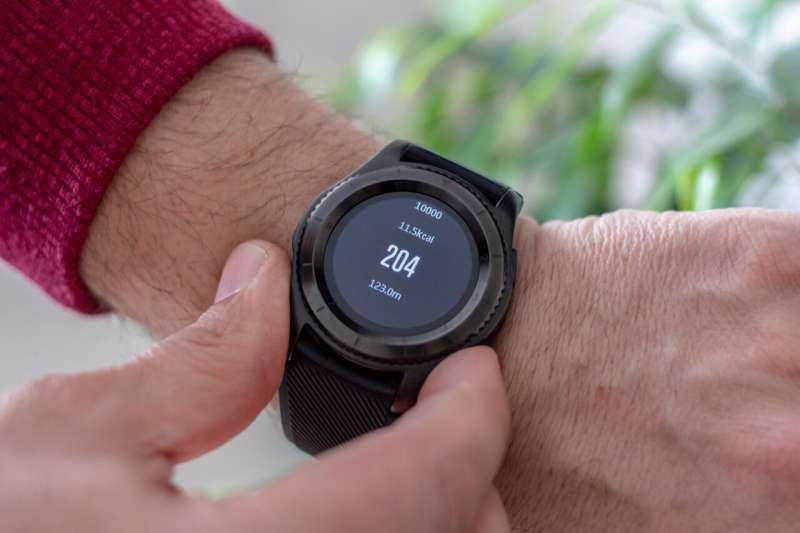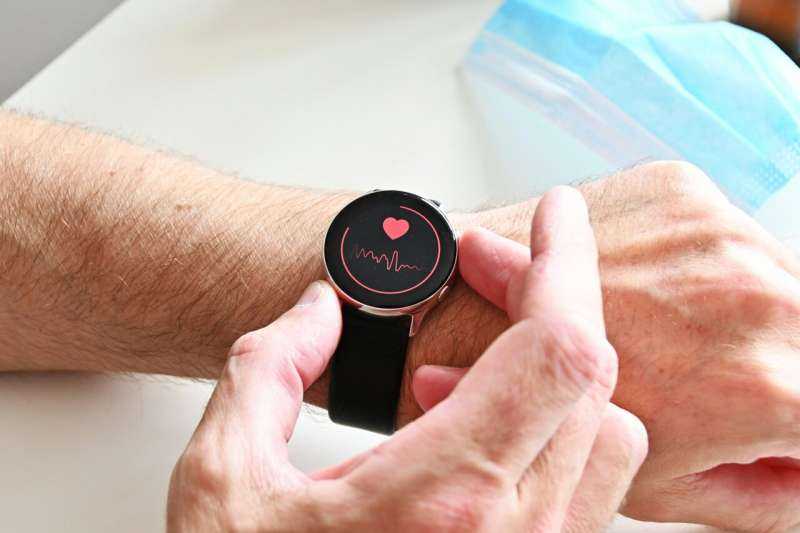
The use of wearable health and fitness trackers has become increasingly popular, with millions of people relying on these devices to monitor their daily activity levels, sleep quality, and heart rate. These trackers can be a valuable tool for individuals looking to improve their physical health and fitness, providing insights into their daily habits and encouraging them to make positive changes. However, for some people, the constant stream of data provided by these devices can have unintended consequences on their mental well-being.
One of the primary concerns associated with wearable health trackers is the potential for them to exacerbate anxiety and stress levels. The constant monitoring of physical activity, sleep patterns, and heart rate can create a sense of pressure to perform, leading individuals to feel anxious or stressed if they do not meet their daily targets. This can be particularly problematic for individuals who already struggle with anxiety or low self-esteem, as the constant stream of data can reinforce negative self-perceptions and exacerbate feelings of inadequacy.
Furthermore, the emphasis on meeting specific fitness goals or targets can lead to an unhealthy obsession with physical appearance and performance. This can result in individuals becoming overly fixated on their weight, body shape, or athletic ability, leading to a range of negative emotional and psychological consequences. In extreme cases, this can even contribute to the development of eating disorders or body dysmorphic disorder, highlighting the need for individuals to approach the use of wearable health trackers with caution and awareness.
In addition to these concerns, there is also the issue of data accuracy and reliability to consider. While wearable health trackers can provide a wealth of information, the data they produce is not always accurate or reliable. This can lead to confusion and frustration, particularly if individuals are relying on this data to inform their health and fitness decisions. As such, it is essential for individuals to approach the use of wearable health trackers with a critical and nuanced perspective, recognizing both the potential benefits and limitations of these devices.
Ultimately, the key to using wearable health trackers in a healthy and positive way is to approach them with a balanced and informed perspective. By recognizing both the potential benefits and limitations of these devices, individuals can harness their power to improve their physical health and fitness, while minimizing the risk of negative emotional and psychological consequences. This requires a thoughtful and intentional approach, one that prioritizes overall well-being and self-care, rather than simply focusing on physical performance or appearance.