New brain waste maps highlight critical pathways for Alzheimer’s breakdown, offering insights into potential treatment strategies.
Researchers have developed a novel method of mapping "brain waste" that reveals the 'nearest exit' routes through which toxic proteins spread, leading to cognitive decline. This innovative approach provides valuable insights into how Alzheimer's disease progresses and could pave the way for new therapeutic interventions.
The analogy of the brain as a house is apt. Just like a home relies on complex networks—pipes, drains, and disposal systems—to maintain functionality, the brain depends on intricate pathways to clear waste products effectively. When these mechanisms fail, toxic proteins accumulate, causing damage that can be irreversible. The newly developed maps identify specific routes through which these harmful substances travel, much like identifying key drainage points in a house.
These findings are significant because they pinpoint areas where interventions might be most effective. By understanding the 'nearest exit' pathways, scientists and clinicians can develop targeted therapies to block or mitigate the spread of toxic proteins before extensive damage occurs. This could potentially slow down or even halt the progression of Alzheimer's disease.
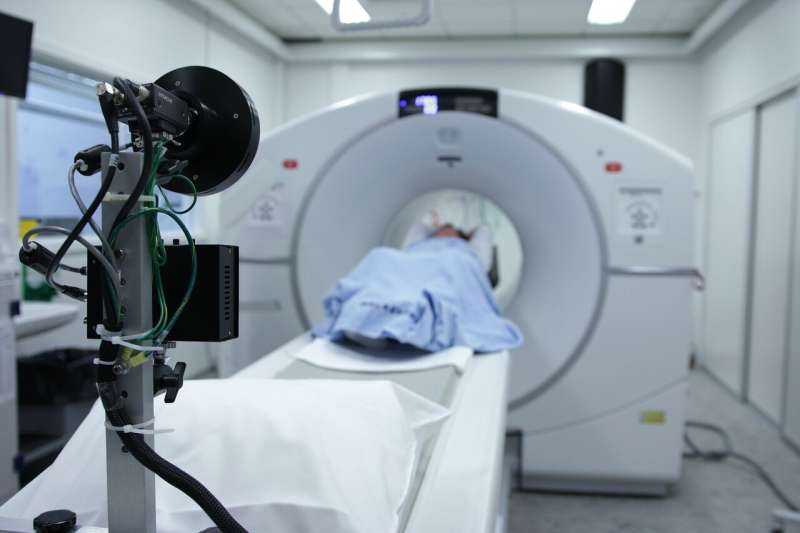
The research team used advanced imaging techniques to visualize these waste maps in living subjects, providing a clearer picture of how Alzheimer's develops at a microscopic level. These detailed maps not only enhance our understanding of the disease but also offer practical applications for developing more effective treatments. With this new knowledge, researchers are optimistic about the potential to create drugs or other interventions that can disrupt the spread of toxic proteins and preserve brain function.
In conclusion, these groundbreaking brain waste maps provide a roadmap for addressing Alzheimer's at its source. By focusing on critical pathways identified through these studies, scientists may be able to develop more targeted therapies that could significantly improve outcomes for patients suffering from this debilitating condition.