A research team led by Associate Professors Noriyuki Kurita and Pornpan Pungpo has identified two potential tuberculosis drugs through advanced molecular simulations, offering new hope in the fight against the disease.
A groundbreaking study conducted by a collaborative research team from Toyohashi University of Technology and Ubon Ratchathani University in Thailand has unveiled promising drug candidates for tuberculosis. Led by Associate Professor Noriyuki Kurita from the Department of Computer Science and Engineering at Toyohashi University, alongside Associate Professor Pornpan Pungpo from Ubon Ratchathani University, this innovative approach utilizes high-precision molecular simulation techniques to identify potential therapeutic agents.
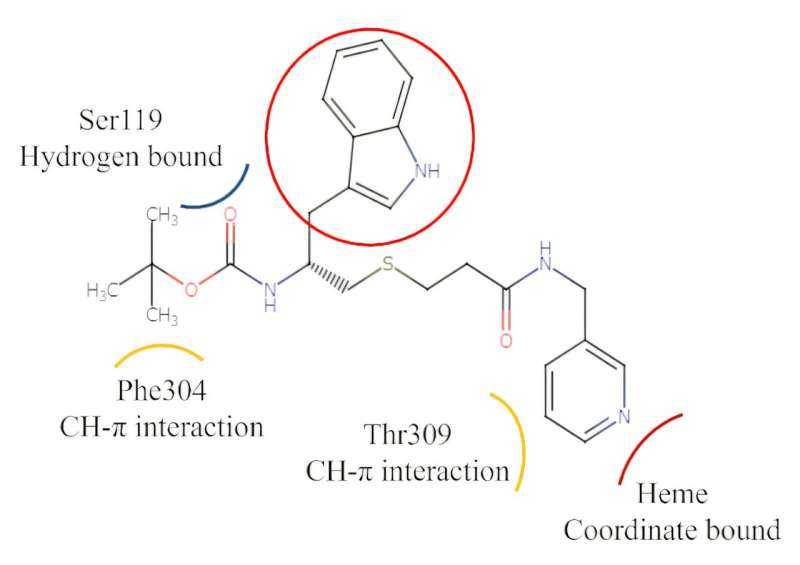
The research team's methodology involves a sophisticated computational process that screens vast chemical libraries to predict which molecules could effectively target specific enzymes involved in the tuberculosis bacterium. By focusing on cytochrome P450 (CYP) enzymes, known for their role in drug metabolism and resistance, the scientists were able to pinpoint two promising candidates.
This simulation-guided search not only accelerates the drug discovery process but also enhances the precision of identifying effective compounds. The findings represent a significant step forward in combating tuberculosis, which continues to pose a global health challenge due to its high prevalence and growing antibiotic resistance.
The identification of these potential drugs through advanced computational methods underscores the importance of integrating cutting-edge technology into traditional pharmaceutical research. As the team moves forward with further validation and testing, their work could pave the way for more effective treatments against tuberculosis in the near future.