Learn about the limitations of tick bite testing and why immediate confirmation of Lyme disease is challenging for doctors.
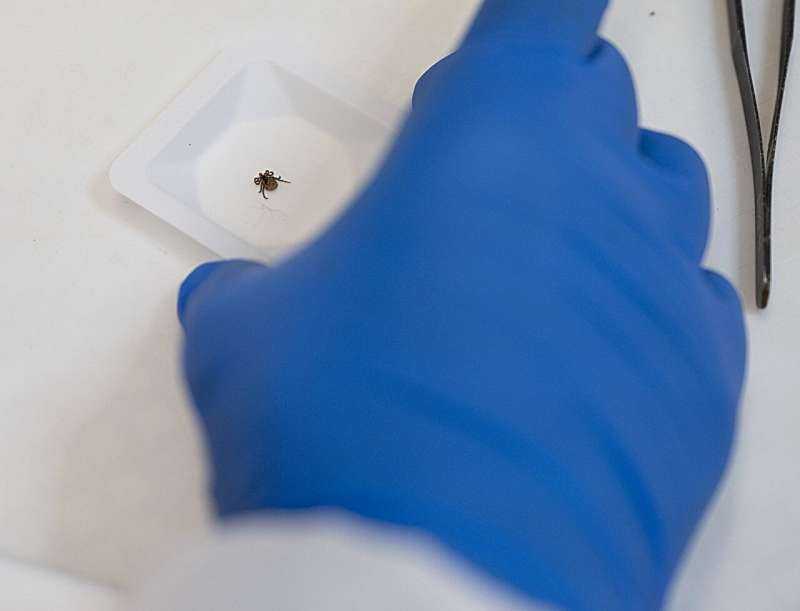
It's easy to spot a tick, but determining whether it carries Lyme disease requires more than just visual inspection. Emergency room visits for tick bites provide crucial data for the Centers for Disease Control and Prevention (CDC), yet doctors often struggle to confirm if a patient has contracted Lyme disease immediately. Blood tests, which rely on antibodies that typically take about two weeks to develop after infection, add complexity to diagnosis.
The delay in antibody development means that early-stage infections might not be detectable through standard blood tests. This timing gap can lead to misdiagnosis and delayed treatment, potentially exacerbating the condition. Patients who seek medical attention soon after a tick bite may still need to wait for their immune system to produce enough antibodies before accurate testing can occur.
While immediate confirmation of Lyme disease remains elusive due to these testing limitations, ongoing research aims to develop faster diagnostic methods. Public health experts emphasize the importance of recognizing early symptoms and seeking prompt medical care, even if initial tests come back negative. This approach ensures that patients receive timely treatment and reduces the risk of severe complications associated with untreated Lyme disease.
In conclusion, while tick bite testing is a critical tool in managing public health, its limitations underscore the need for vigilance and proactive measures to prevent infection. Early detection and rapid response remain key strategies in combating the spread of Lyme disease.