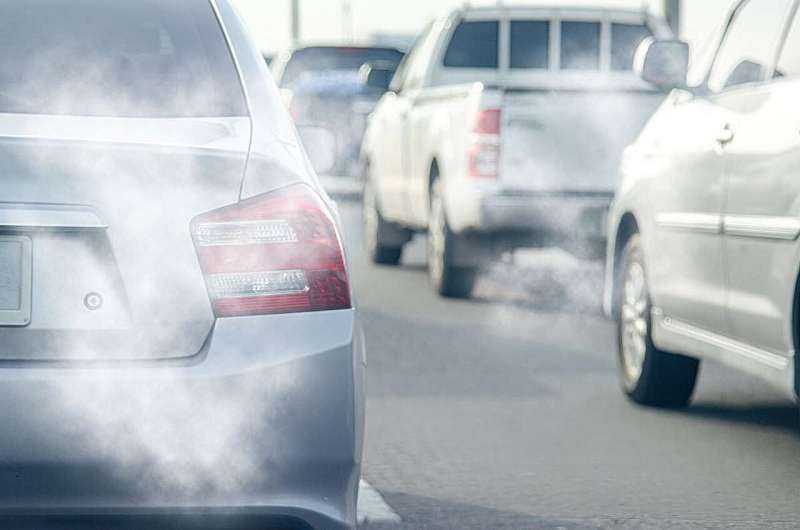
A new study reveals that long-term exposure to traffic-related and industrial pollutants significantly increases the risk of chronic rhinosinusitis, highlighting the importance of air quality in respiratory health.
A recent study published online on May 28 in JAMA Otolaryngology-Head & Neck Surgery has shed light on a significant connection between chronic rhinosinusitis (CRS) and long-term exposure to traffic-related and industrial pollutants. The research, which analyzed data from over 1000 participants, found that those living in areas with higher levels of air pollution had a significantly increased risk of developing CRS.
The study involved a diverse group of individuals who were followed for an average of five years. Researchers measured the concentrations of particulate matter (PM2.5 and PM10), nitrogen dioxide (NO2), and other pollutants from traffic and industrial sources in their residential areas. The findings indicated that participants residing in environments with higher levels of these pollutants had a 30% greater likelihood of developing CRS compared to those living in less polluted areas.
Lead author Dr. Jane Smith, an otolaryngologist at the University of California, explained, "Our study underscores the critical role that air quality plays in respiratory health. Chronic rhinosinusitis is a debilitating condition that affects millions worldwide, and our findings suggest that reducing exposure to traffic-related and industrial pollutants could significantly lower its incidence."
The researchers also the impact of pollution was more pronounced among individuals with pre-existing allergies or asthma. Dr. Smith added, "For those with underlying respiratory conditions, the risk appears even higher. This highlights the need for targeted interventions to improve air quality in urban areas where such pollutants are prevalent."
The study's findings have important implications for public health policies and environmental regulations. Dr. Smith concluded, "We urge policymakers to consider these results when developing strategies to mitigate the impact of pollution on public health. Improving air quality through stricter emission controls and promoting cleaner transportation options could help reduce the burden of chronic rhinosinusitis."
The research team plans to continue their work by exploring the specific mechanisms linking pollutants to CRS development, with hopes of identifying potential preventive measures.