New international studies reveal that lifestyle choices significantly lower the risk of health complications for childhood cancer survivors, focusing on cardiovascular disease prevention.
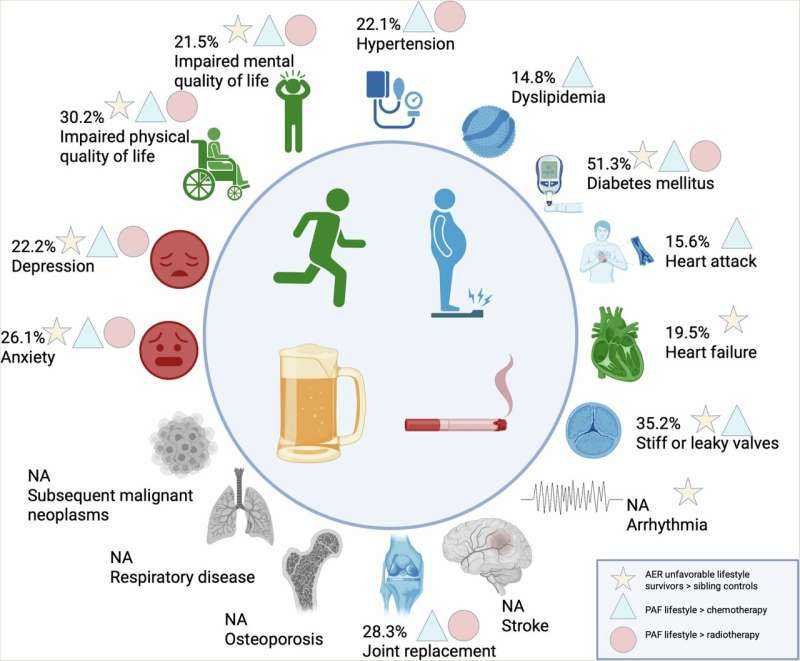
Healthy lifestyles can substantially reduce the risk of cardiovascular disease and other long-term health issues in childhood cancer survivors, These findings highlight the importance of maintaining a healthy diet, regular exercise, and overall wellness practices for those who have survived pediatric cancers.
The first study, conducted by researchers from multiple countries including the United States and Europe, analyzed data from over 10,000 childhood cancer survivors. The results showed that individuals who adhered to healthier lifestyle habits had significantly lower rates of cardiovascular disease compared to their counterparts with less healthy lifestyles. Key factors included a balanced diet rich in fruits, vegetables, and whole grains, as well as regular physical activity.
The second study focused on the psychological aspects of survivorship, emphasizing the role of mental health support and stress management techniques. It found that survivors who engaged in activities such as mindfulness, yoga, and counseling reported better overall quality of life and reduced symptoms related to chronic conditions often seen in cancer survivors.
These studies underscore the critical need for comprehensive care extending beyond the initial treatment phase. Healthcare providers are encouraged to incorporate lifestyle recommendations into survivorship plans, ensuring that childhood cancer survivors have access to the necessary resources and support systems to maintain their health over the long term.
In conclusion, these findings provide valuable insights for both medical professionals and patients, reinforcing the importance of a holistic approach in managing the long-term effects of childhood cancer. By promoting healthy lifestyles, we can significantly improve the quality of life for survivors and reduce their risk of developing serious health complications later in life.