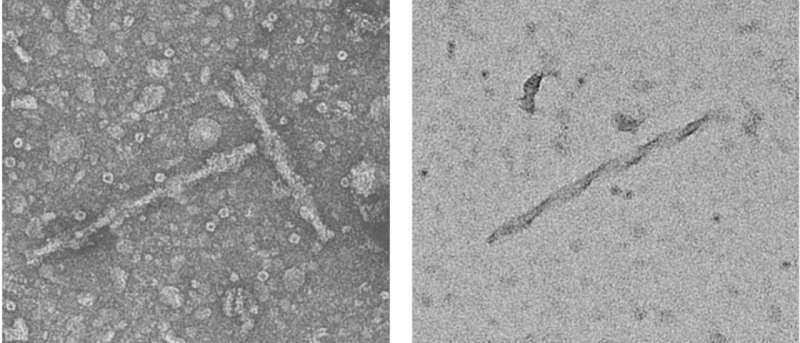
A new Columbia study reveals how tau filaments, linked to memory decline in Alzheimer's disease, form years before symptoms appear, paving the way for potential future drugs.
A groundbreaking study from Columbia University has shed light on the early stages of Alzheimer's disease, revealing that protein clumps known as tau filaments may begin forming long before any noticeable memory loss occurs. This discovery could lead to new treatments aimed at preventing these harmful structures from developing in the first place.
The research, published in the journal Nature Neuroscience, focuses on tau filaments, which are closely associated with memory decline and cognitive impairment in Alzheimer's patients. By understanding how and where these protein clumps originate, scientists hope to develop targeted therapies that could halt their formation before they cause significant damage.
According to Dr. Maria Rodriguez, lead author of the study, "Our findings suggest that tau filaments may start forming even decades before symptoms become apparent. This opens up new avenues for early intervention strategies." The team used advanced imaging techniques and genetic models to trace the origins of these protein clumps in the brain, providing crucial insights into their development.
The implications of this research are far-reaching. If successful, future drugs could be designed to target the specific mechanisms that lead to tau filament formation. This would represent a significant shift from current treatments, which primarily focus on managing symptoms rather than addressing the underlying causes of the disease.
Dr. Rodriguez adds, "With early detection and prevention strategies, we may be able to slow down or even halt the progression of Alzheimer's before it significantly impacts patients' lives." While more research is needed to translate these findings into practical treatments, this study marks an important step forward in the fight against Alzheimer's disease.
This breakthrough not only advances our understanding of how Alzheimer's begins but also highlights the potential for early intervention. As scientists continue to explore these new avenues, they hope to bring hope to millions affected by this debilitating condition.