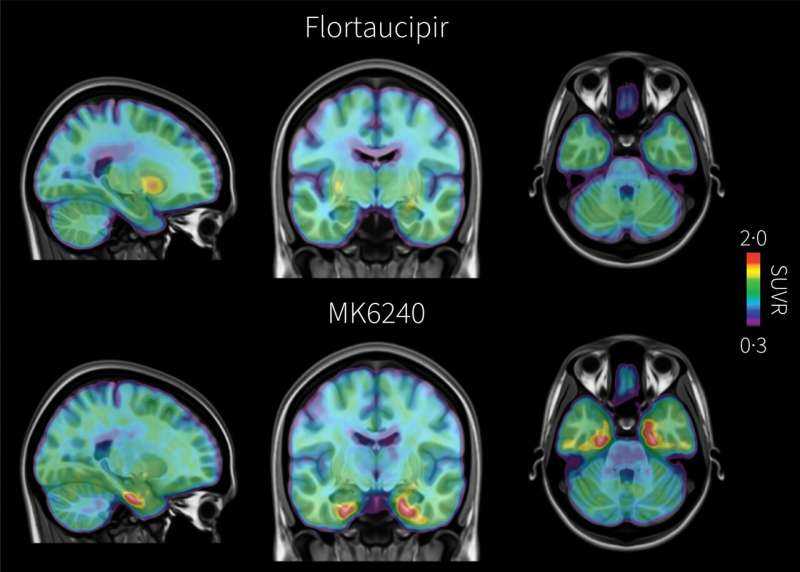
A new brain imaging test detects Alzheimer's tau protein earlier than current methods, potentially leading to earlier diagnosis and treatment, according to University of Pittsburgh researchers.
A significant breakthrough has been made in the detection of Alzheimer's disease, with the development of a new brain imaging test that can identify a key hallmark of the condition before symptoms appear. This innovative test has been shown to detect the tau protein, a hallmark of Alzheimer's, earlier than the method currently used in clinical practice in the United States and Europe.
The new brain scan, developed by researchers at the University of Pittsburgh School of Medicine, has the potential to revolutionize the diagnosis and treatment of Alzheimer's disease. By detecting the tau protein earlier, doctors may be able to intervene sooner, potentially slowing the progression of the disease. This could lead to improved outcomes for patients and their families.
The researchers' findings, published in The Lancet, highlight the importance of continued investment in medical research and the development of new technologies to combat complex diseases like Alzheimer's. The University of Pittsburgh School of Medicine has a long history of innovation in medical research, and this latest breakthrough is a testament to the institution's commitment to advancing our understanding of human health.
The development of this new brain scan is a significant step forward in the fight against Alzheimer's disease, and it is likely to have a major impact on the way the condition is diagnosed and treated in the future. As research continues to uncover the complexities of Alzheimer's, it is clear that early detection and intervention will be critical in improving patient outcomes. The new brain scan is a powerful tool in this effort, and it holds great promise for the millions of people affected by this devastating disease.