Endocrinology specialists at the European Congress of Endocrinology propose renaming Polycystic Ovary Syndrome (PCOS) to Polyendocrine Metabolic Ovarian Syndrome (PMOS), highlighting its broader impact. Will this change improve patient care?
Earlier this month, endocrinology experts gathered at the European Congress of Endocrinology made a significant announcement: Polycystic Ovary Syndrome (PCOS) is being renamed Polyendocrine Metabolic Ovarian Syndrome (PMOS). This rebranding aims to better reflect the condition's multifaceted nature, which extends beyond just the ovaries. However, the question remains whether this name change will truly make a difference in how patients are treated and understood.
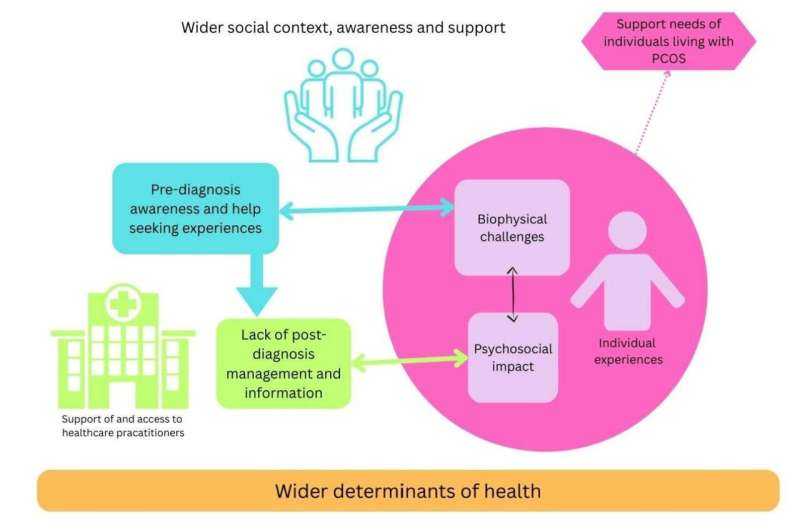
The proposal for renaming PCOS to PMOS stems from the recognition that the syndrome encompasses a wide range of symptoms and complications. These include hormonal imbalances, metabolic issues, and various endocrine system disorders. By adopting the new term, healthcare providers hope to emphasize the need for a more comprehensive approach in diagnosing and managing this condition.
However, critics argue that simply changing the name may not be enough to address the underlying challenges faced by patients with PCOS/PMOS. They contend that the medical community must focus on improving diagnostic tools, treatment options, and patient support systems rather than just altering the label. The renaming initiative is seen as a step in the right direction but falls short of addressing the systemic issues that affect those living with this syndrome.
Moreover, the change raises questions about how well the new terminology will be adopted by healthcare professionals and patients alike. While some may embrace the updated name, others might resist it due to familiarity or confusion. The success of the rebranding effort will depend on effective communication and education efforts from medical organizations and advocacy groups.
In conclusion, while renaming Polycystic Ovary Syndrome (PCOS) to Polyendocrine Metabolic Ovarian Syndrome (PMOS) is a positive step towards acknowledging the broader impact of this condition, it is crucial that the medical community goes beyond just changing names. A more holistic approach that includes improved diagnostic tools, comprehensive treatment plans, and robust patient support systems will be essential in truly making a difference for those affected by PMOS.