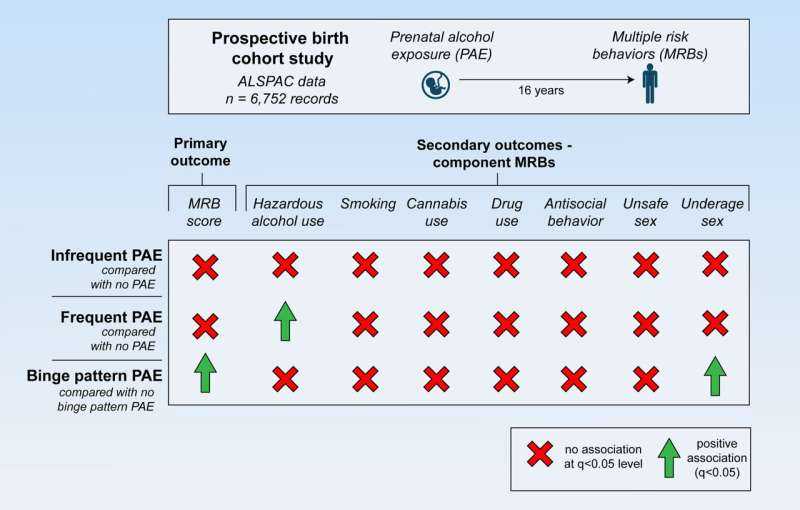
A new study reveals that teens exposed to alcohol in utero are more likely to engage in hazardous drinking and underage sex, highlighting the intergenerational impact of prenatal alcohol exposure.
Prenatal alcohol exposure (PAE) is linked to a significantly higher risk of engaging in hazardous drinking behaviors among teenagers, according to recent research. The study highlights that teens who were exposed to alcohol while in the womb are more likely than their peers to engage in risky behaviors—most notably, hazardous drinking and underage sex.
This concerning trend could perpetuate the intergenerational transmission of prenatal alcohol exposure (PAE), as these behaviors can lead to a cycle where future generations continue to be affected. The findings underscore the long-term impact of PAE on adolescent health and behavior.
In the UK, this issue is particularly pressing given that it has one of Europe's highest rates of alcohol use during pregnancy. Statistics indicate that at least 41% of pregnant women in the UK consume alcohol, with some estimates suggesting the figure could reach as high as 75%. These alarming numbers highlight the urgent need for public health interventions to address and mitigate the risks associated with PAE.
The combination of hazardous drinking and early sexual activity among teens exposed to alcohol in utero poses significant challenges. It not only increases their risk of developing alcohol use disorders but also puts them at higher risk for sexually transmitted infections, unintended pregnancies, and other adverse outcomes. Addressing these issues requires a comprehensive approach that includes education, support, and targeted interventions aimed at both parents and adolescents.
Efforts to reduce the incidence of PAE must focus on raising awareness about its dangers and providing pregnant women with the necessary resources and support to make informed choices. Public health campaigns can play a crucial role in educating women about the risks of alcohol consumption during pregnancy and encouraging them to seek help if they are struggling with substance use.
In conclusion, the link between prenatal alcohol exposure and increased risk of hazardous drinking among teens is a critical public health concern that demands immediate attention. By addressing this issue comprehensively, we can work towards breaking the cycle of intergenerational transmission and improving the long-term outcomes for affected individuals.