As warmer weather brings outdoor enthusiasts to US parks and forests, the risk of wilderness emergencies rises, highlighting the importance of carrying proper safety gear while hiking and backpacking.
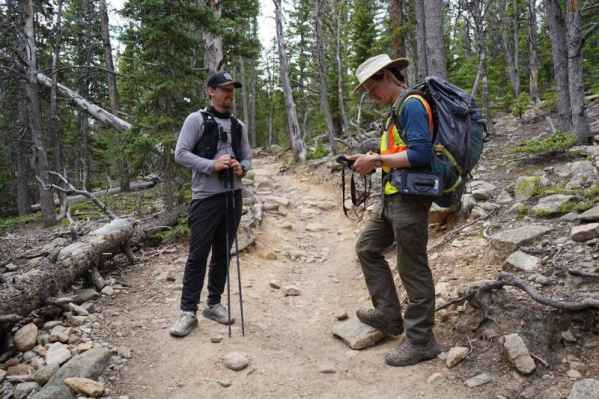
The arrival of warmer weather in the United States has led to an increase in outdoor activities, with many enthusiasts flocking to the country's parks and forests to hike and run on the extensive network of trails. However, this surge in visitors also brings a rise in wilderness emergencies, some of which require complex and costly search-and-rescue operations.
In recent weeks, the White Mountains in New Hampshire have seen a significant number of incidents, with seven hikers being rescued in a single week in April. Tragically, another hiker was found dead on a trail after failing to return from a solo backpacking trip. These incidents highlight the importance of being properly prepared and equipped when venturing into the wilderness.
One of the key factors in preventing wilderness emergencies is carrying the right safety gear. Many hikers and backpackers underestimate the risks associated with their activities and fail to bring essential items such as first aid kits, navigation tools, and emergency shelters. As a result, they may find themselves unprepared and vulnerable in the event of an unexpected injury or change in weather.
The consequences of not carrying proper safety gear can be severe, ranging from minor injuries to life-threatening situations. In addition to the risk of physical harm, wilderness emergencies can also have a significant financial impact, with search-and-rescue operations often requiring substantial resources and funding. By taking the necessary precautions and carrying the right safety gear, hikers and backpackers can minimize their risk of becoming stranded or injured and reduce the burden on search-and-rescue teams.
As the warmer weather continues to attract outdoor enthusiasts to US parks and forests, it is essential to prioritize hiking safety and take the necessary steps to prevent wilderness emergencies. This includes researching the trail and weather conditions, informing others of your itinerary, and carrying a well-stocked backpack with essential safety gear. By being prepared and responsible, hikers and backpackers can enjoy the beauty of the great outdoors while minimizing their risk of injury or harm.