Polycystic ovarian syndrome (PCOS) affects 1 in 8 women, but its new designation, polyendocrine metabolic ovarian syndrome (PMOS), better captures its whole-body impact.
Polycystic ovarian syndrome (PCOS) is a common hormonal disorder affecting an estimated 1 in 8 women. However, the traditional name of PCOS has been criticized as it implies that the condition primarily impacts only the ovaries. In reality, PCOS is a complex metabolic and hormonal disorder with far-reaching effects on multiple body systems.
After years of research and patient advocacy efforts, a recent report published in The Lancet introduced a new designation: polyendocrine metabolic ovarian syndrome (PMOS). This change aims to better reflect the multisystem nature of the condition. By renaming PCOS as PMOS, healthcare professionals can more accurately describe its wide-ranging effects on endocrine, metabolic, and reproductive systems.
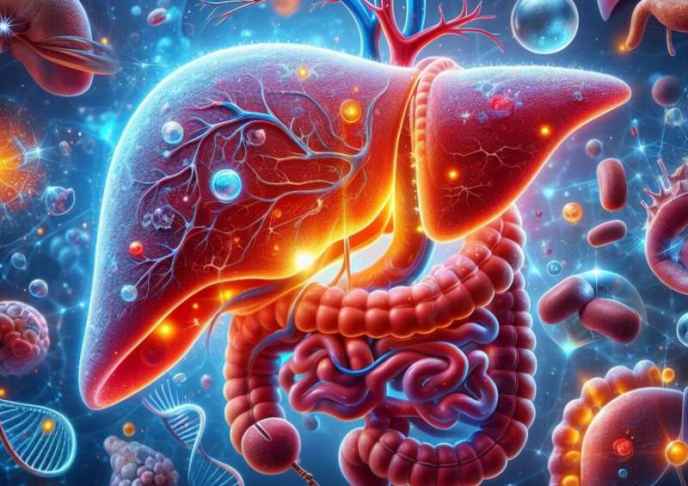
The transition from PCOS to PMOS is part of a broader effort to improve understanding and awareness of this prevalent disorder. The new name emphasizes that PCOS involves not just the ovaries but also other organs such as the adrenal glands, pancreas, and liver. This recognition can lead to more comprehensive treatment approaches that address the full spectrum of symptoms experienced by women with PCOS.
The adoption of PMOS is expected to enhance patient care by encouraging a holistic view of the condition. Healthcare providers will be better equipped to diagnose and manage the various aspects of PCOS, leading to improved outcomes for affected individuals.