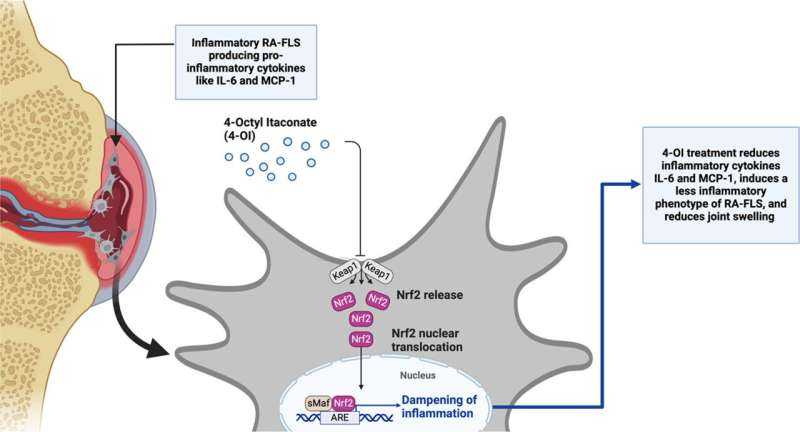
A recent study has brought new hope to patients suffering from rheumatoid arthritis, a chronic and often debilitating condition that affects millions of people worldwide. The research, conducted by scientists from Aarhus University and Aarhus University Hospital, has identified a potential new approach to reducing inflammation in the joints, a key symptom of the disease.
The study, which has been published in the journal EULAR Rheumatology Open, sheds new light on the complex mechanisms that drive inflammation in rheumatoid arthritis. By understanding these mechanisms, the researchers have been able to identify new targets for treatment, which could lead to the development of more effective therapies for the condition.
Rheumatoid arthritis is a painful and debilitating condition that can have a significant impact on a person's quality of life. Current treatments often focus on managing symptoms, such as pain and inflammation, but can have significant side effects. The new study suggests that a more targeted approach may be possible, one that addresses the underlying causes of the disease rather than just its symptoms.
The researchers behind the study are hopeful that their findings will lead to the development of new and more effective treatments for rheumatoid arthritis. While more research is needed to fully explore the potential of this new approach, the study provides a promising glimpse into the future of rheumatoid arthritis treatment. As scientists continue to build on these findings, patients with the condition may soon have access to new and innovative therapies that can help them manage their symptoms and improve their overall health.
The potential impact of this research cannot be overstated, as it could lead to significant improvements in the lives of people with rheumatoid arthritis. With further study and development, this new approach could become a game-changer for patients with the condition, offering them new hope and new possibilities for managing their disease.