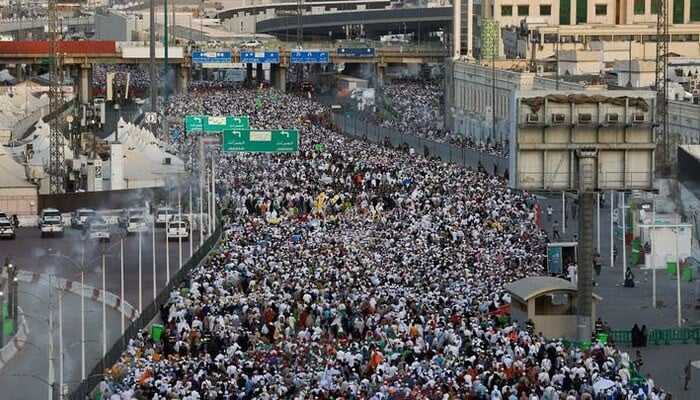
Thousands of Muslim pilgrims have started departing Makkah after completing the annual Hajj pilgrimage, with over 30,000 Iranians among those who made the journey to Saudi Arabia.
The annual Hajj pilgrimage in Saudi Arabia has come to an end, and thousands of Muslim faithful have begun leaving Makkah. The pilgrimage, which is one of the five pillars of Islam, drew large crowds of devotees from around the world. Among them were more than 30,000 Iranians who made the journey to Makkah, marking a significant presence of Iranian pilgrims at the event.
The Hajj pilgrimage is a once-in-a-lifetime obligation for Muslims, and it takes place over several days. The faithful gather in Makkah to perform various rituals, including the stoning ritual in Mina. This year's pilgrimage saw a large turnout, with pilgrims from diverse backgrounds and nationalities coming together to fulfill their spiritual obligations. The stoning ritual, which is a key part of the Hajj pilgrimage, involves pilgrims throwing stones at a symbolic representation of the devil.
As the pilgrimage comes to a close, the city of Makkah is slowly returning to normal. The streets, which were once filled with pilgrims, are now emptying out as people begin their journeys back home. The Saudi Arabian government had made extensive preparations to accommodate the large number of pilgrims, including providing food, shelter, and medical care. The successful completion of the Hajj pilgrimage is a testament to the country's ability to host large-scale events and provide for the needs of millions of people.
The departure of the pilgrims from Makkah marks the end of a significant event in the Islamic calendar. The Hajj pilgrimage is a time of great spiritual significance, and it provides an opportunity for Muslims to come together and strengthen their faith. As the pilgrims return to their homes, they will carry with them the memories and experiences of their time in Makkah, and they will be able to share their stories with others. The Hajj pilgrimage is an important part of Islamic tradition, and it will continue to be an essential aspect of Muslim life for generations to come.