A new study using radiocarbon nanotracing reveals that fine particulate matter in the air travels beyond the lungs and affects the brain, highlighting the broader impacts on overall health.
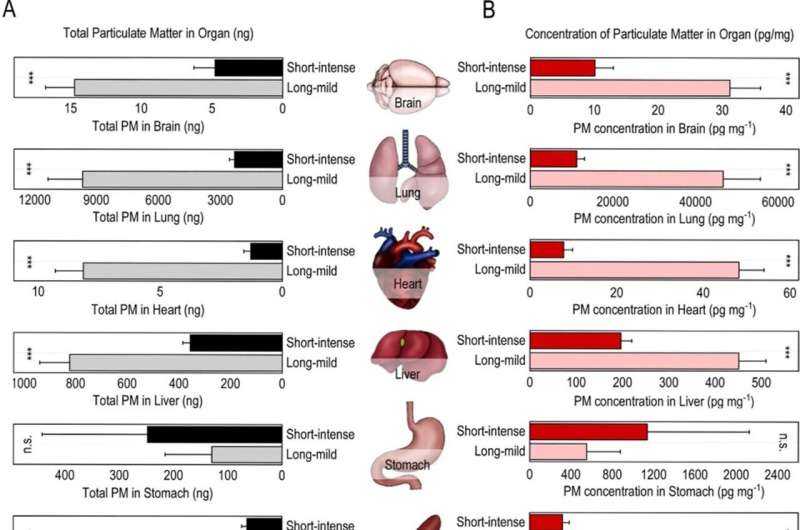
A groundbreaking study utilizing radiocarbon nanotracing has revealed that fine particulate matter (PM2.5) not only impacts the respiratory system but also traverses the blood-brain barrier to affect the brain. This finding underscores the critical need for comprehensive public health measures targeting air pollution, as prolonged exposure can lead to a range of health issues beyond just reduced lung function.
The research, conducted by scientists at leading institutions, involved tracking the movement and impact of PM2.5 particles in the body using advanced nanotracing techniques. The study demonstrated that these tiny particles, which are typically found in smog and industrial emissions, can enter the bloodstream through the lungs and travel to various organs, including the brain.
The implications of this discovery are significant. While it is well-known that exposure to fine particulate matter can cause respiratory issues such as asthma and chronic obstructive pulmonary disease (COPD), the new findings suggest a more direct link between air pollution and neurological disorders. This could have profound public health ramifications, necessitating stricter regulations on industrial emissions and increased awareness among the general population.
The study's authors emphasize that their work provides crucial insights into the mechanisms by which fine particulate matter affects overall health. By understanding how these particles travel through the body and interact with different organs, researchers can develop more effective strategies to mitigate their harmful effects. This includes not only improving air quality but also developing treatments for individuals who are already exposed.
In conclusion, this research highlights the far-reaching consequences of air pollution on human health, extending beyond just respiratory issues. As such, it is imperative that governments and public health organizations take proactive steps to address this environmental issue and protect the well-being of their citizens.