Researchers from The University of Queensland have uncovered why macrophages, crucial white blood cells, fail to effectively combat infections in people with cystic fibrosis (CF), potentially leading to new treatment strategies.
Researchers at The University of Queensland have made a significant breakthrough in understanding the immune system's failure in combating deadly infections for individuals with cystic fibrosis (CF). Led by Professor Peter Sly and Dr. Abdullah Tarique, the team has identified how macrophages—white blood cells that play a vital role in fighting infection—function differently in people with CF compared to those without.
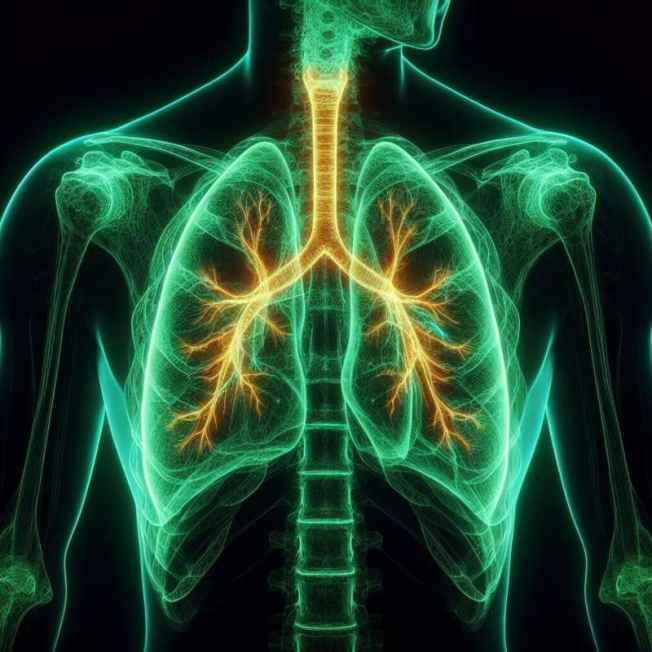
Macrophages are often referred to as 'Pac-Man' cells due to their shape and function of engulfing and destroying pathogens. However, this study reveals that these cells behave abnormally in the lungs of individuals with CF, failing to effectively eliminate harmful bacteria such as Pseudomonas aeruginosa, a leading cause of death for people with the condition.
The research highlights that macrophages from people with CF are less efficient at phagocytosis (engulfing and destroying pathogens) and produce fewer anti-inflammatory cytokines. This reduced functionality impairs the body's natural defense mechanisms against infections, leaving patients more vulnerable to recurrent lung infections.
Understanding these differences could pave the way for new therapeutic approaches aimed at enhancing macrophage function in CF patients. Potential treatments might include targeted therapies that boost macrophage activity or introduce genetically modified cells capable of better combating infections.
This discovery not only deepens our knowledge of CF but also opens up avenues for developing more effective treatments to improve the quality and longevity of life for those living with this chronic condition.