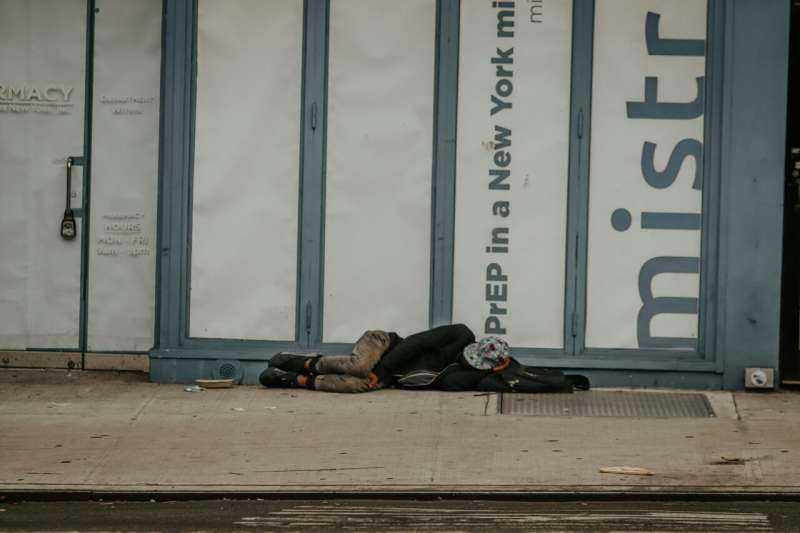
Over half of homeless individuals have experienced brain injuries prior to becoming homeless, including concussions and strokes, highlighting the need for early intervention.
More than half of those who are homeless have suffered a brain injury at some point in their lives, whether it be a traumatic brain injury (TBI) such as a blow to the head or concussion, a stroke, a brain tumor, or an alcohol-related injury. These findings, revealed through extensive interviews and research, suggest that brain injuries often precede homelessness rather than being a result of living on the street.
The study highlights the importance of recognizing the link between brain injuries and homelessness. Brain injuries can significantly impact cognitive function, emotional stability, and physical health, making it difficult for individuals to maintain stable housing or employment. Traumatic experiences such as concussions or strokes can lead to long-term disabilities that exacerbate social and economic challenges.
Furthermore, alcohol-related brain injuries are particularly prevalent among homeless populations. Chronic alcohol abuse not only damages the brain but also contributes to a cycle of poverty and social isolation, often leading to homelessness. The combination of these factors underscores the need for comprehensive support systems that address both physical health and mental well-being.
Early intervention is crucial in preventing the progression from brain injury to homelessness. Healthcare providers and policymakers must work together to develop programs that identify and assist individuals with brain injuries before they become homeless. This could include providing access to rehabilitation services, mental health support, and stable housing options.
In conclusion, understanding the hidden link between brain injuries and homelessness is essential for developing effective strategies to prevent and address this complex issue. By recognizing the role of brain injuries in the lives of many homeless individuals, we can work towards creating more inclusive and supportive communities that prioritize early intervention and holistic care.