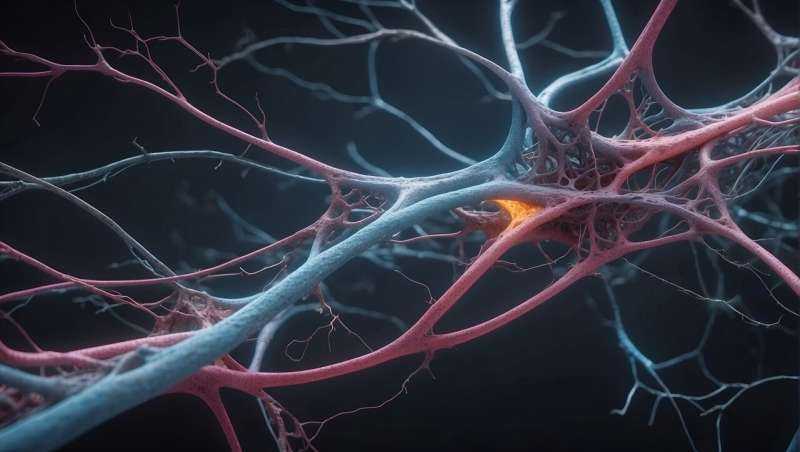
A new study published in Nature Communications reveals that human glial progenitor cells can be safely transplanted and mature into crucial brain support cells, shedding light on their transcriptional and epigenetic signatures.
A groundbreaking study recently published in the prestigious journal Nature Communications has shed light on the potential of human glial progenitor cells for therapeutic applications. The research, which defines the developmental journey of these cells as they transform into astrocytes and oligodendrocytes—two vital support cell types in the brain—opens new avenues for treating neurological disorders.
The study focused on understanding the molecular mechanisms underlying the maturation process of glial progenitor cells. By meticulously charting their transcriptional and epigenetic signatures, researchers were able to identify key genetic markers that guide these cells through various stages of development. This comprehensive analysis not only enhances our knowledge of brain cell biology but also paves the way for safer and more effective transplantation therapies.
Astrocytes and oligodendrocytes are essential components of the central nervous system, playing critical roles in maintaining neuronal function and providing structural support. The findings from this study could have significant implications for treating conditions such as multiple sclerosis, where oligodendrocyte dysfunction leads to demyelination and impaired nerve conduction.
Moreover, the research underscores the safety profile of these cells, which is crucial for clinical applications. By ensuring that transplanted glial progenitor cells can be reliably converted into mature astrocytes and oligodendrocytes, scientists are one step closer to developing robust treatments for a range of neurological diseases.
In summary, this study provides valuable insights into the maturation process of human glial progenitor cells, highlighting their potential as safe and effective therapeutic tools. As researchers continue to explore these findings, they may unlock new possibilities for treating complex brain disorders.