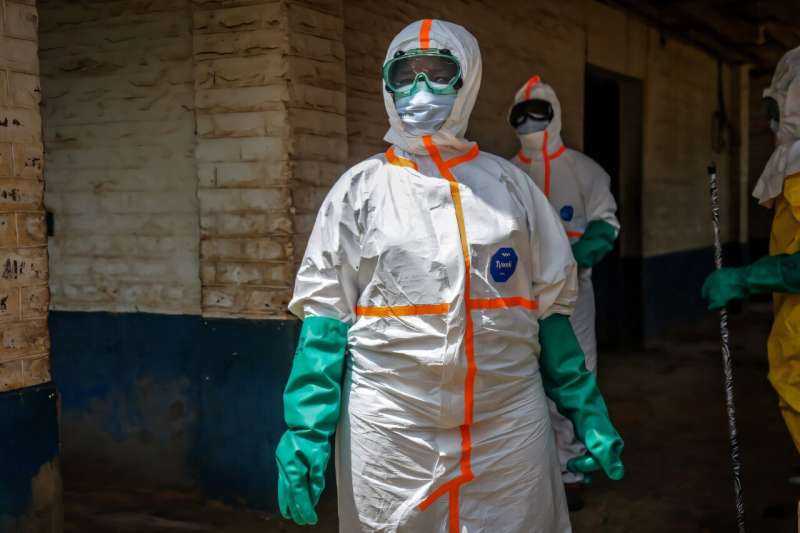
Despite witnessing deaths from Ebola, residents in Mongbwalu town continue to grapple with fear and disbelief, highlighting the psychological impact of the crisis.
In the heart of eastern Democratic Republic of Congo's latest devastating Ebola outbreak, residents like Laureine Sakiya are caught between dread and denial. Unlike other townsfolk, Sakiya has seen the blood-letting virus up close, as she watched some of her neighbors succumb to its deadly embrace. Her experience stands in stark contrast to those who still refuse to believe in the existence of Ebola.
The psychological toll of this outbreak is evident not just through the physical suffering but also through the mental anguish it inflicts on communities. While Sakiya's story illustrates firsthand exposure and acceptance, many others remain skeptical or fearful, driven by misinformation and a lack of understanding about the disease. This divide underscores the complex emotional landscape that Ebola creates among those affected.
Health officials have been working tirelessly to combat not just the virus but also the deep-seated mistrust within these communities. Education campaigns are crucial in dispelling myths and providing accurate information about how to prevent and treat the illness. However, overcoming decades of trauma and misinformation is a formidable challenge.
The ongoing outbreak in Mongbwalu town serves as a poignant reminder that addressing both the physical and psychological impacts of Ebola is essential for effective containment and recovery. As more lives hang in the balance, the need for comprehensive support and understanding remains urgent.