Researchers from UNSW recommend screening Aboriginal and Torres Strait Islander people for a common heart condition up to 10 years earlier than current guidelines to prevent stroke.
UNSW researchers are urging the early detection of a prevalent heart rhythm disorder among Aboriginal and Torres Strait Islander communities. According to their findings, these individuals should be screened at least a decade before the age recommended by national guidelines. This proactive approach could significantly reduce the risk of stroke in this vulnerable population.
The study highlights that Indigenous Australians are disproportionately affected by atrial fibrillation (AF), a condition where the heart's upper chambers beat irregularly and can lead to blood clots, potentially causing strokes. By identifying AF earlier, healthcare providers can intervene with appropriate treatments such as medication or lifestyle changes, thereby preventing life-threatening complications.
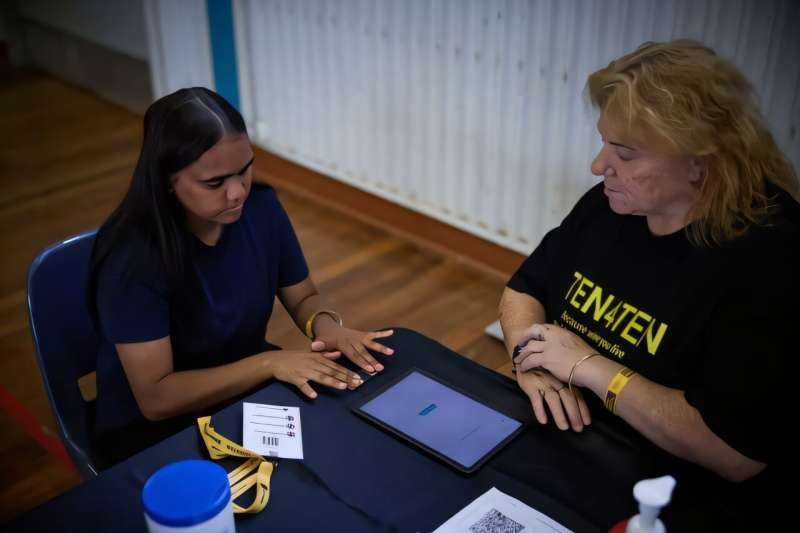
The researchers propose a simple 30-second test that could be easily integrated into routine check-ups. This non-invasive method would allow for early diagnosis and timely treatment, addressing the significant health disparities faced by Indigenous Australians in accessing quality healthcare services.
This recommendation comes at a critical time when public health initiatives are increasingly focusing on reducing health inequalities. By implementing these screening protocols, healthcare systems can better protect the cardiovascular health of Indigenous communities, potentially saving lives and improving overall well-being.