New research from Finland suggests common anemia medications may slow down cancer cell growth, offering a dual benefit for patients.
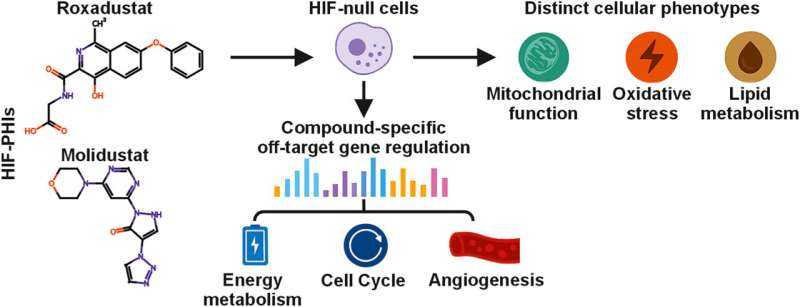
A groundbreaking study from the University of Oulu and the University of Eastern Finland has revealed that medications commonly used to treat anemia could also have significant benefits in treating certain cancers. The findings, published in Redox Biology, indicate that these drugs impact cellular metabolism and growth in ways previously unknown, potentially offering a dual benefit for cancer patients who often suffer from anemia.
The research team conducted extensive experiments on various types of cancer cells and found that the medications not only addressed anemia but also slowed down the proliferation of cancer cells. This dual functionality could lead to more effective treatment strategies for patients suffering from both conditions simultaneously.
According to Dr. Anna Kiviniemi, a leading researcher involved in the study, "Our findings suggest that these drugs may have a broader therapeutic potential than previously thought. They not only help manage anemia but also potentially inhibit cancer cell growth." The researchers are now calling for further clinical trials to explore this promising new avenue of treatment.
The implications of this discovery could be significant for patients and healthcare providers alike. Anemia is a common condition in cancer patients, often due to the side effects of chemotherapy or radiation therapy. By treating anemia with medications that also have anti-cancer properties, doctors may be able to address multiple health issues at once, potentially improving patient outcomes.
While more research is needed to fully understand the mechanisms behind this dual functionality and to develop appropriate treatment protocols, the initial results are encouraging. The study opens up new possibilities for personalized medicine, where treatments can target both anemia and cancer simultaneously, offering a more holistic approach to patient care.
In conclusion, these findings represent a significant step forward in the field of oncology and hematology. As research continues, it is hoped that this dual-purpose medication could become part of standard treatment protocols, providing patients with more effective and comprehensive care.