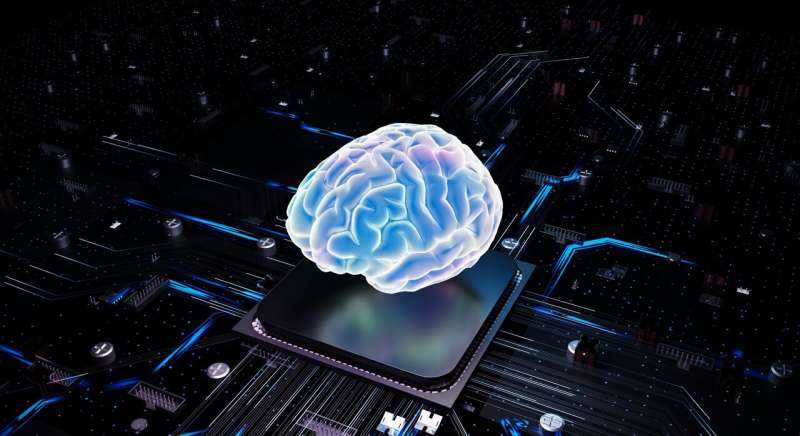
Scientists harness human brain cells to create biocomputers, using lab-grown brain organoids to perform computational functions and test responses to stimuli, revolutionizing biotech and medicine.
The field of biotechnology has witnessed a significant breakthrough with the development of biocomputers powered by lab-grown brain organoids. This innovative technology involves growing small spheres of neural tissue, known as organoids, on top of multi-electrode arrays in a hardware shell. The result is a biocomputer that can be used for a wide range of applications, from testing medications to playing video games.
The process of creating these biocomputers begins with the growth of brain organoids, which are essentially small, self-organizing clusters of neural cells. These organoids are then placed on top of multi-electrode arrays, allowing scientists to interface with the cells and harness their computational power. By doing so, researchers can study the cells' responses to various electrical and chemical stimuli, gaining valuable insights into the workings of the human brain.
Companies like Cortical Labs and FinalSpark are at the forefront of this technology, pushing the boundaries of what is possible with biocomputers. Their work has the potential to revolutionize the way we approach fields such as medicine and neuroscience, enabling the development of more effective treatments and therapies. The research, published in the Journal of Medical Internet Research, highlights the vast potential of this technology and its potential to transform the way we interact with and understand the human brain.
The use of lab-grown brain organoids to power biocomputers also raises important questions about the future of computing and the potential for more sustainable and efficient technologies. As scientists continue to explore the possibilities of this technology, we can expect to see significant advancements in the field of biotech and beyond. With the potential to transform industries and improve lives, the development of biocomputers powered by lab-grown brain organoids is an exciting and rapidly evolving field that is sure to capture the imagination of scientists and the general public alike.
The potential applications of this technology are vast and varied, ranging from the development of more effective treatments for neurological disorders to the creation of more sophisticated artificial intelligence systems. As researchers continue to push the boundaries of what is possible with biocomputers, we can expect to see significant breakthroughs in the years to come. With the power of lab-grown brain organoids harnessed to perform computational functions, the future of biotech and medicine looks brighter than ever.