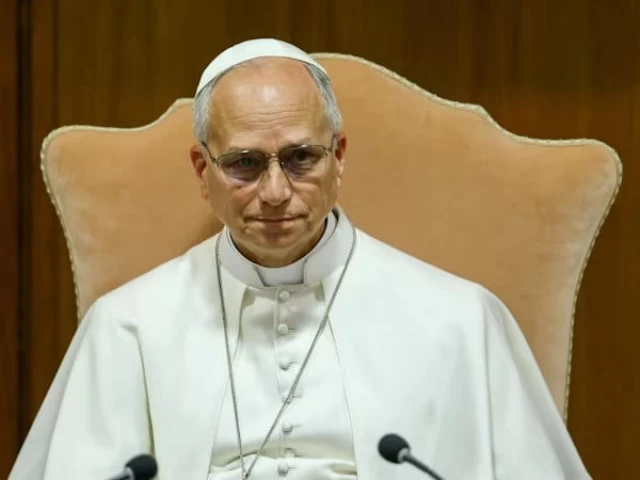
Pope Leo's encyclical "Magnifica Humanitas" calls for cautious development of AI, warning against its spread of misinformation and prioritization of conflict.
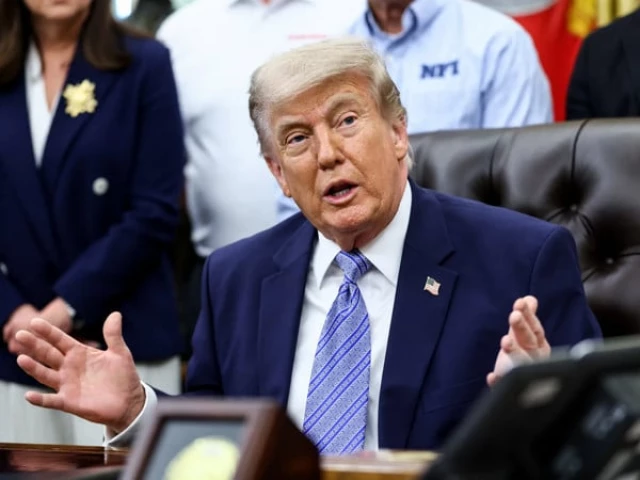
Pope Leo has issued a strong call for governments to slow down the rapid advancement of artificial intelligence (AI) systems in his latest encyclical, "Magnifica Humanitas." The document, released on Monday, highlights the potential dangers of unchecked AI development, including its role in spreading misinformation and exacerbating conflicts. Pope Leo, known for his assertive stance, has previously criticized US President Donald Trump over the Iran war.
In the encyclical, the first US pope emphasizes the need for robust legal frameworks, independent oversight, informed users, and a political system that does not abdicate its responsibility in managing AI technology. He specifically warns against leaving ownership of AI data solely in private hands and advocates for protecting workers' rights while ensuring children's safety from harmful technological advancements.
The encyclical also addresses the global issue of ongoing wars and the weakening of multilateral organizations, attributing arms industry profits as a driving force behind conflicts. Pope Leo states, "The past 60 years have been marked by conflicts of astonishing brutality, often affecting civilian populations on a massive scale." He further warns that humanity is sliding into a violent culture where peace is seen merely as a temporary interval between wars.
Notably, the encyclical repudiates the just war theory, a doctrine used by the Church since at least the fifth century to evaluate global conflicts. Pope Leo writes, "The 'just war' theory which has all too often been used to justify any kind of war is now outdated." He argues that using force and violence reflects a relational poverty that always leads to disastrous consequences for civilian populations.
Additionally, the pope expresses concern over leaders potentially starting wars as a distraction from domestic issues. He states, "We cannot rule out the possibility that some leaders may consider armed conflict as an effective way of diverting attention from domestic problems and a cynical tool for managing difficulties."
Pope Leo also calls for stringent ethical constraints on any use of AI in warfare, declaring it impermissible to entrust lethal decisions to AI systems. He invokes centuries of prior papal teachings on social justice issues before addressing the ethics of AI systems, specifically referencing his predecessor Pope Leo XIII's encyclical from 1891 that called for better pay and conditions for laborers during the Industrial Revolution.
This comprehensive document underscores Pope Leo's commitment to ethical governance in an increasingly technological world.