Complaints of overcharging and extortion in Pakistan's cattle markets rise as families prepare for Eidul Azha, highlighting the financial burden on citizens.
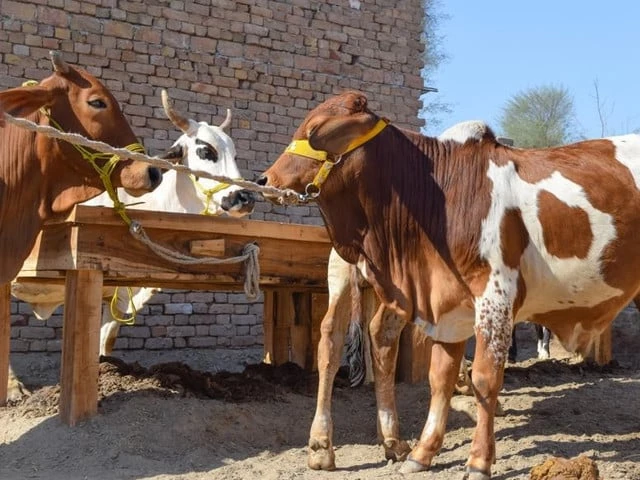
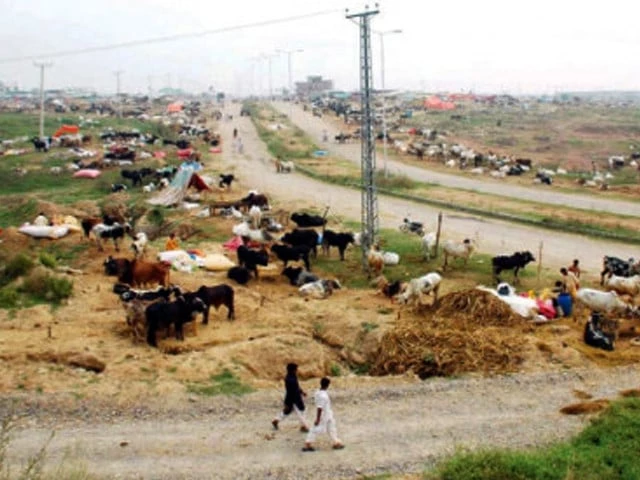
With Eidul Azha around the corner, complaints of overcharging and extortion in Lahore’s cattle markets have intensified. Citizens and livestock traders allege that illegal charges at both permanent and temporary sale points are reaching unprecedented levels, adding to the financial strain on families already grappling with inflation and soaring sacrificial animal prices.
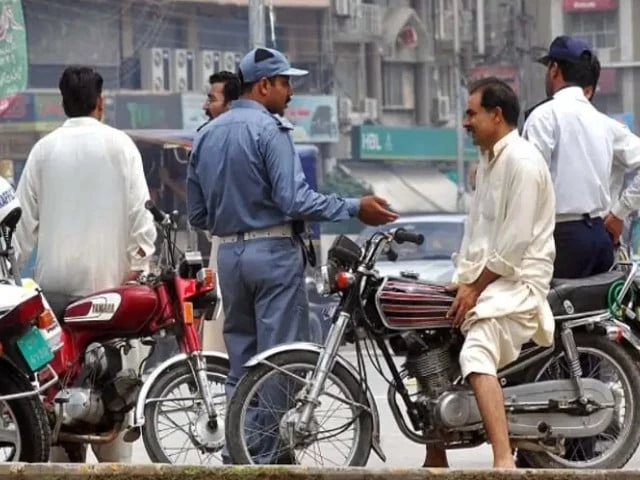
In Punjab's largest permanent cattle market, Shahpur Kanjran, as well as various temporary sale points across the city, buyers and traders report being forced to pay unofficial charges. According to them, visitors leaving these markets after purchasing sacrificial animals are allegedly being stopped at exits by groups of men who demand cash ranging from Rs500 to Rs700 for goats and sheep, Rs1,000 to Rs1,200 for bulls and buffaloes, and up to Rs2,000 for camels.
Muhammad Faizan, a resident at the Shahpur Kanjran market, shared his frustration: "We came here because of the government ban on roadside sales inside the city. After spending huge amounts on animals, we are being fleeced again while leaving the market. No official is available to address our complaints." Ahmad Raza, another citizen, accused authorities of turning a blind eye to the situation and suggested that officials might be complicit in these practices.
The district administration and provincial authorities have intensified their actions against illegal roadside cattle sales and citizens keeping sacrificial animals outside their homes. However, residents complain that enforcement teams are targeting ordinary families rather than addressing overcharging in official markets. Livestock traders also raised concerns about excessive charges within the markets, with many sellers being charged higher amounts despite officially approved entry fees of Rs200 for small and Rs500 for large animals.
Traders reported additional payments for fodder, straw, and animal feed, pushing prices even higher for the public. A trader from South Punjab explained: "The animals were already expensive due to rising transport and feed costs. These illegal charges have further increased operational costs." The situation has left many families feeling helpless and frustrated as they prepare for one of the most important religious festivals.
As the Eidul Azha season approaches, it is crucial that authorities take immediate action to address these complaints and ensure a fair and transparent market environment for all citizens.