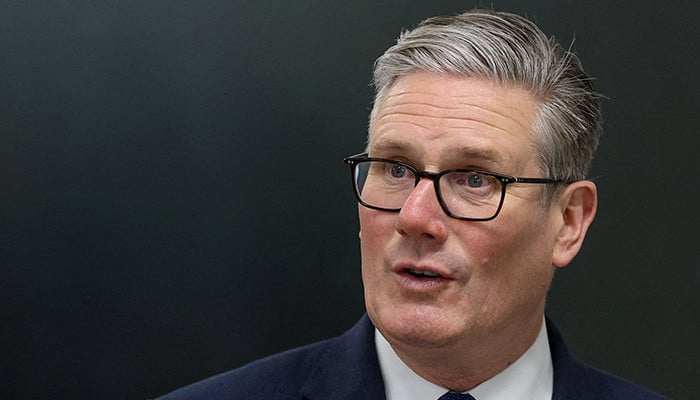
Britain's Prime Minister Keir Starmer faces mounting pressure to resign after more than 80 Labour Party members criticized his leadership. Despite this, he has vowed to remain in office until a formal challenge is initiated. If the party were to choose a new leader, several names have emerged as potential successors.
Wes Streeting, currently serving as health and social care minister since July 2024, stands out as one of the frontrunners. His role overseeing the National Health Service with its substantial budget has garnered significant attention. Streeting is viewed as a centrist within the Labour Party who advocates for fiscal restraint in line with Starmer's approach. He was previously associated with Peter Mandelson but has since distanced himself from him, though he remains embarrassed by his past association.
Streeting’s tenure as health minister saw him approve a 22% pay rise for resident doctors over two years to end a strike dispute. This move has been controversial and has led to ongoing strikes among medical professionals. Despite these challenges, Streeting represents an east London constituency that is currently vulnerable in the upcoming election due to its tight race.
Born into a working-class background, Streeting identifies as openly gay and would be Britain’s first openly gay prime minister. His upbringing includes his grandfather and grandmother both spending time in prison, highlighting his personal experiences with social inequality. He studied at Cambridge University and has held leadership positions within the National Union of Students before entering politics.
Another potential candidate is Andy Burnham, who currently serves as Manchester's mayor but is unable to run for a leadership challenge due to not being an MP. Known for his centrist views, Burnham has been critical of Starmer’s more moderate stance and has advocated for fiscal restraint similar to Streeting. His recent efforts to return to parliament may indicate he will not seek the position himself.
Angela Rayner, who stepped down as deputy prime minister, deputy Labour Party leader, and housing secretary in 2025 after admitting tax issues, remains a strong contender. Seen as closer to the party's left-wing roots, she has championed legislation expanding workers' rights and minimum wage increases. While publicly aligning with fiscal restraint, media reports suggest she argued for higher taxes during her time in office.
Growing up in relative poverty on a social housing estate near Manchester, Rayner’s background gives her an authentic understanding of the struggles faced by Britain's poorest citizens. Her communication skills have made her a valuable asset within Labour, and she is regarded as a strong communicator who can reach diverse parts of the party.
Ed Miliband, one of Starmer's most senior cabinet ministers, has also been linked to a return to lead the party after his earlier stint in opposition from 2010-2015. He advocates for net zero energy policies and previously served under Tony Blair and Gordon Brown. His experience is seen as valuable in navigating Labour’s internal dynamics.
Lastly, Shabana Mahmood, who has risen rapidly through the ministerial ranks since her first election in 2010, stands out as a potential leader. Promoted to home secretary in September, she is the first Muslim woman to hold either role. While seen on the right of the party and advocating for tougher immigration policies, critics argue that this stance has alienated progressives who traditionally supported Labour.
Among these candidates, each brings unique perspectives and experiences to the table, reflecting the diverse nature of British politics. As Starmer faces increasing pressure, it remains to be seen which candidate will emerge as Britain's next prime minister.