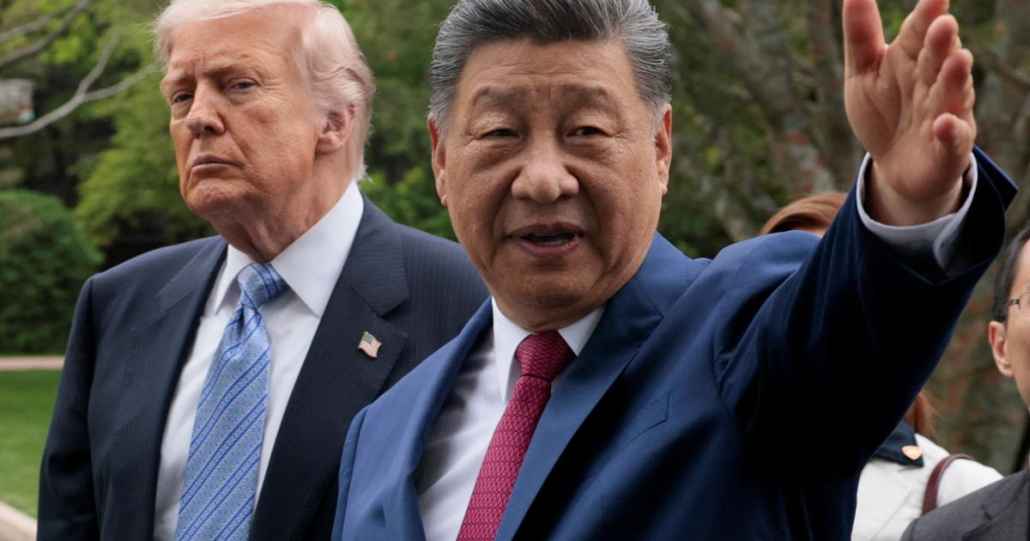
Based on the discussion in the provided text, here are some key points about where the U.S.-China relationship might be headed post-Trump-Xi summit:
The summit appears to have been an "inflection point" - a turning point - but it's not clear what direction things will go from there. Neither Xi nor Trump seem ready to make major concessions or compromises at this stage. China seems more willing than before to accept the idea of competitive relations, though they still want to contain that competition in certain ways. There is a growing acceptance among Chinese leaders that industrial policy and supply chain dependence are important tools for economic leverage over other countries. The text suggests Xi Jinping may be constrained by his party's ideology which tends not to embrace universal values like human rights or liberal democracy, potentially limiting how much China can evolve in terms of its national spirit. There is some recognition that the Chinese Communist Party needs to allow more room for humanistic thinking and independent intellectual/cultural development if China wants to continue rising as a global power.
So while there's potential for some positive developments like accepting competition and supply chain independence, it seems unlikely major shifts in ideology or values will occur anytime soon. The relationship is likely to remain competitive but with guardrails imposed by both sides. There may be more pragmatism on trade issues, but deeper ideological differences seem resistant to change at this time.