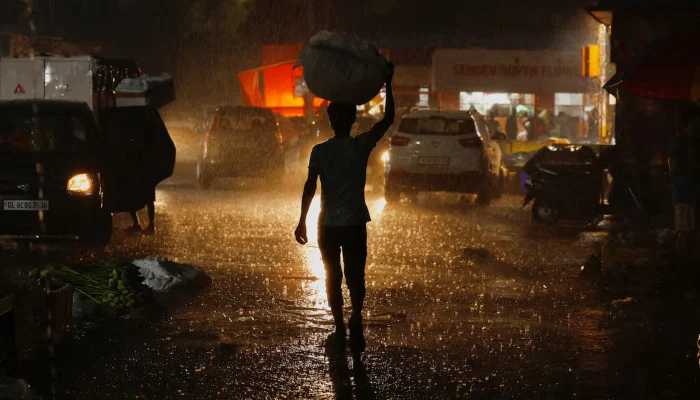
A devastating storm has swept through India's Uttar Pradesh state, leaving over 100 people dead and many injured, with financial aid to be distributed to survivors.
A violent storm brought rain and hail to India's most populous state of Uttar Pradesh, resulting in the loss of over 100 lives, according to rescue officials. The storm, which occurred on Wednesday, also injured 59 people, damaged 87 homes, and killed 114 livestock. The state's chief minister has ordered relief funds to be distributed to survivors within 24 hours.
The storm was particularly severe in the area around the Hindu pilgrimage city of Prayagraj, with at least 104 people reported dead in about a dozen districts. Residents described the storm as intense, with strong winds lifting hoardings and signboards and hurling them around. The storm also uprooted trees and swept away billboards, which were seen lying on top of cars in the aftermath.
Television images showed the extent of the damage, with wooden furniture from roadside stalls knocked down and debris scattered everywhere. In one dramatic incident, a man was hurled into the air by strong winds while clinging to a tin structure, but he survived his ordeal with injuries. Falling trees and collapsing walls also claimed some lives, according to a state relief official.
The chief minister of Uttar Pradesh, Yogi Adityanath, has directed officials to provide assistance to survivors and distribute financial aid within 24 hours. The storm is a reminder of the severe weather conditions that can affect the region during the hot season, which runs from March to June before the monsoon rains bring relief. The state government will likely face challenges in providing relief to the affected areas and supporting those who have lost loved ones in the disaster.
The storm has highlighted the need for emergency preparedness and disaster management in the region. The state government's quick response in announcing relief measures is a positive step, but it will be important to ensure that the aid reaches those who need it most. As the affected areas begin the process of recovery, it is likely that the full extent of the damage will become clearer, and the government will need to be prepared to provide ongoing support to those affected.